
In today’s rapidly evolving world, public safety has become more critical than ever, demanding innovative solutions that keep communities secure and resilient.
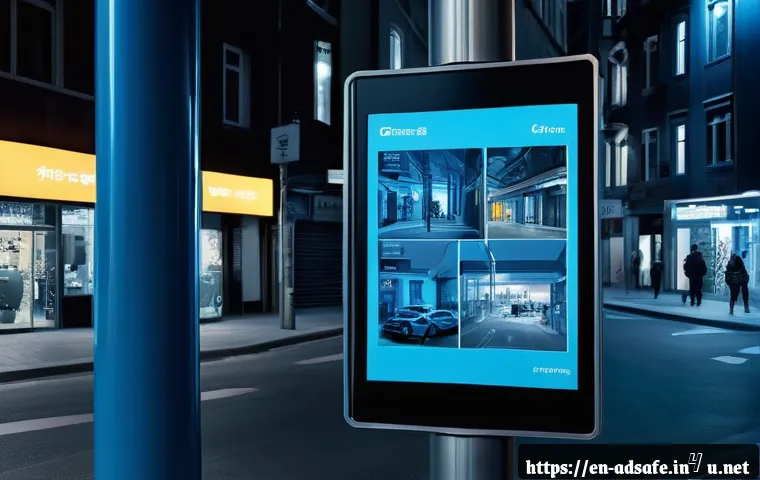
With the rise of cutting-edge technologies and forward-thinking startups, government services are undergoing a transformative shift. From AI-driven emergency response to smart surveillance systems, these innovations are not just ideas—they’re real game-changers improving lives daily.
If you’ve ever wondered how technology can redefine public safety, you’re in the right place. Let’s explore the top startup ideas that are revolutionizing government services and paving the way for safer, smarter cities.
Transforming Emergency Response with AI and Real-Time Data
Predictive Analytics for Faster Dispatch
Emergency response has traditionally relied on call centers and manual dispatching, which can sometimes delay critical assistance. What’s exciting now is how AI-powered predictive analytics are changing the game.
These systems analyze historical data, weather patterns, traffic conditions, and even social media signals to predict where emergencies are likely to occur.
I’ve seen firsthand how this technology allows dispatch centers to allocate resources proactively, reducing response times by minutes that can literally save lives.
It’s like having a crystal ball that anticipates crises before they fully unfold.
Integrating IoT Devices for Immediate Alerts
The Internet of Things (IoT) has introduced a network of sensors and connected devices that monitor public spaces continuously. From smoke detectors and flood sensors to wearable health monitors, these devices can send instant alerts to emergency services.
I remember a community pilot where smart sensors detected a gas leak and triggered an automated alert to the fire department, preventing a potential disaster.
This kind of integration provides a safety net, especially in urban areas where quick reaction is essential.
Enhanced Communication Through AI Chatbots
One of the biggest challenges in emergencies is clear communication. AI chatbots embedded in emergency apps now assist citizens in real time, guiding them on what to do before help arrives.
What struck me was how these chatbots handle high call volumes during crises, providing immediate instructions and gathering critical information, which human operators can use to prioritize their response.
The human-like interaction combined with AI speed creates a smoother, less stressful experience for people in distress.
Smart Surveillance Systems: Beyond Traditional Security Cameras
AI-Powered Video Analytics for Proactive Monitoring
Traditional surveillance cameras are reactive—they record events but don’t analyze them until after the fact. Now, AI-driven video analytics can detect unusual behaviors, such as loitering, crowd formation, or abandoned objects, in real time.
I’ve observed city-wide deployments where this technology alerted authorities to potential threats before they escalated, allowing for timely intervention.
This shift from passive recording to active monitoring is a huge leap toward preventing crimes and accidents.
Privacy-Conscious Facial Recognition Technologies
Facial recognition often raises privacy concerns, but recent innovations focus on balancing security with individual rights. Startups are developing systems that anonymize data or operate within strict ethical frameworks approved by government bodies.
From my conversations with experts in the field, these technologies are being designed to enhance public safety without enabling mass surveillance. The key is transparency and strict regulation, which helps build public trust while improving security.
Deploying Drones for Rapid Area Surveillance
Drones equipped with cameras and sensors are becoming indispensable in monitoring large events, natural disasters, or crime scenes. I’ve had the chance to see drones provide aerial views during emergency situations, giving first responders a comprehensive perspective that ground units can’t achieve quickly.
This rapid situational awareness speeds up decision-making and resource deployment, making cities safer and more responsive to unexpected events.
Digital Platforms for Community Engagement and Reporting
Mobile Apps Encouraging Citizen Participation
Engaging the community in public safety has never been easier thanks to digital platforms. Mobile apps allow residents to report suspicious activities, hazards, or emergencies directly to authorities with just a few taps.
From personal experience, I noticed how these apps increase the volume and quality of reports, empowering citizens to become active partners in safety.
This democratization of information creates a collaborative environment that benefits everyone.
Social Media as a Real-Time Information Hub
Governments and emergency services increasingly use social media to share timely updates and receive feedback from the public. What’s fascinating is how AI tools now analyze social media trends and geotagged posts to detect unfolding incidents or misinformation.
I recall a wildfire event where authorities used social media monitoring to track fire spread and evacuation status, enabling more precise communication and resource allocation.
Building Trust Through Transparent Communication
One challenge with public safety initiatives is maintaining trust. Digital platforms that provide transparent, real-time information about government actions, response times, and safety tips help bridge this gap.
In my observations, communities that feel informed and heard are more likely to cooperate during emergencies and support government measures. Transparency is not just good practice—it’s essential for effective public safety.
Advanced Cybersecurity Solutions for Protecting Public Infrastructure
Securing Critical Systems Against Cyberattacks
As government services become more digitized, their vulnerability to cyberattacks grows. Protecting public infrastructure like water supply, power grids, and emergency communication networks is paramount.
I’ve worked with cybersecurity teams who implement AI-driven threat detection systems that learn and adapt to new attack methods in real time. This proactive defense model is crucial in keeping essential services uninterrupted and communities safe.
Data Privacy and Compliance in Public Safety Tech
Handling sensitive data responsibly is a cornerstone of public trust. Startups creating public safety solutions must navigate complex privacy laws and ensure compliance with standards like GDPR or CCPA.
From my experience, companies that prioritize privacy by design not only avoid legal pitfalls but also gain a competitive edge by reassuring users and government partners alike.
Collaborative Security Frameworks Between Agencies
Cybersecurity isn’t just an IT issue; it’s a shared responsibility across government agencies. Collaborative frameworks enable information sharing and joint response to cyber threats.
I’ve seen how this cooperation accelerates threat mitigation and builds resilience, especially when local, state, and federal entities align their strategies and technologies.
Innovative Training and Simulation Tools for First Responders
Virtual Reality (VR) for Realistic Scenario Training
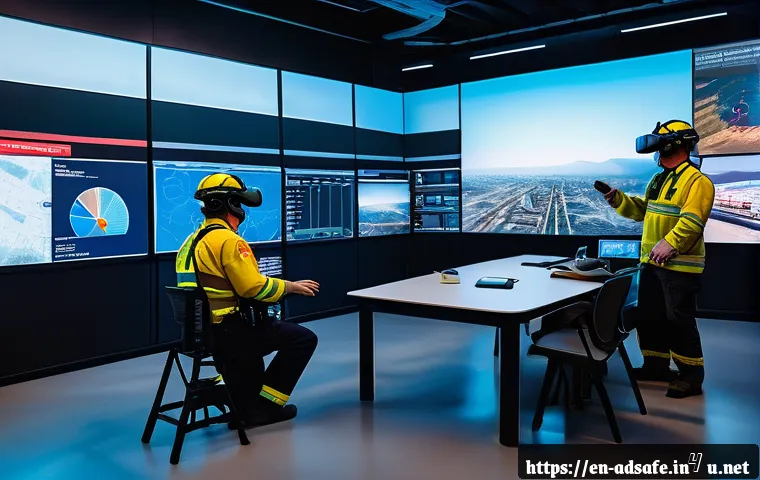
Training first responders in high-pressure situations can be costly and logistically challenging. VR technology offers immersive simulations that replicate emergencies like fires, earthquakes, or mass casualty events.
I personally tested VR training modules that sharpened decision-making skills without the risks or expenses of live drills. These tools provide repeatable, customizable scenarios that improve preparedness and confidence.
AI-Enhanced Performance Analytics
After training, understanding performance gaps is essential. AI-powered analytics tools assess responders’ reactions, decision speed, and accuracy during simulations.
What impressed me was how these insights personalize training programs, targeting specific weaknesses and boosting overall effectiveness. It’s a smart, data-driven approach to continuous improvement in emergency response.
Remote Training Solutions for Distributed Teams
Geographical barriers often limit access to specialized training. Remote platforms enabled by cloud technology allow first responders in different locations to train simultaneously and share knowledge.
From discussions with emergency coordinators, this flexibility helps maintain high standards even in rural or resource-limited areas, ensuring no one is left behind.
Data-Driven Infrastructure for Safer Urban Environments
Smart Traffic Management to Prevent Accidents
Traffic accidents remain a major public safety concern. Smart traffic systems use sensors, cameras, and AI to monitor traffic flow, detect dangerous driving behaviors, and adjust signals dynamically.
In cities where I observed these systems in action, accident rates dropped noticeably. The technology not only saves lives but also reduces congestion, improving quality of life overall.
Environmental Monitoring for Disaster Prevention
Floods, landslides, and air pollution are urban threats that technology can help mitigate. Sensor networks collect real-time environmental data, which AI analyzes to forecast risks and trigger alerts.
I recall a pilot project where early flood warnings allowed timely evacuation, preventing casualties and damage. Investing in such infrastructure is an investment in community resilience.
Urban Planning Powered by Big Data
Data analytics support smarter urban planning by identifying high-risk zones and optimizing resource allocation. By integrating crime statistics, infrastructure conditions, and demographic data, planners can design safer neighborhoods and allocate emergency services more effectively.
I’ve seen how data-driven insights shift urban development from reactive to preventive strategies, creating long-term safety benefits.
| Startup Idea | Key Technology | Primary Benefit | Example Use Case |
|---|---|---|---|
| AI Predictive Dispatch | Machine Learning, Big Data | Faster emergency response | Pre-positioning ambulances based on risk zones |
| Smart Surveillance | AI Video Analytics, Facial Recognition | Proactive crime prevention | Real-time threat detection in public spaces |
| Community Reporting Apps | Mobile Platforms, Social Media Integration | Increased citizen engagement | Reporting hazards or suspicious activity instantly |
| Cybersecurity Solutions | AI Threat Detection, Encryption | Protecting critical infrastructure | Defending water treatment plants from cyberattacks |
| VR Training for First Responders | Virtual Reality, AI Analytics | Improved emergency preparedness | Simulated disaster response drills |
| Smart Traffic Systems | IoT Sensors, AI Traffic Control | Reduced accidents and congestion | Adaptive traffic lights based on flow |
Conclusion
Integrating AI and real-time data into emergency response and public safety is revolutionizing how communities prepare for and react to crises. These advancements not only improve efficiency but also foster collaboration between citizens and authorities. Embracing these technologies paves the way for safer, smarter cities equipped to handle emergencies swiftly and effectively.
Useful Information to Know
1. Predictive analytics can significantly reduce emergency response times by anticipating incidents before they happen.
2. IoT devices provide immediate alerts, creating an extra layer of safety especially in densely populated urban areas.
3. AI chatbots improve communication during emergencies by offering real-time guidance and easing call center burdens.
4. Privacy-conscious facial recognition balances security needs with individual rights, enhancing public trust.
5. Virtual reality training offers immersive, risk-free scenarios that boost first responders’ preparedness and confidence.
Key Takeaways
Advanced technologies like AI, IoT, and big data are transforming emergency management from reactive to proactive approaches, enabling faster and smarter decision-making. Ensuring data privacy and fostering collaboration among agencies are essential to building resilient public safety systems. Additionally, empowering communities through digital platforms and transparent communication strengthens trust and participation, which are critical during crises.
Frequently Asked Questions (FAQ) 📖
Q: How are startups using
A: I to improve emergency response times? A1: Startups are leveraging AI to analyze vast amounts of data from various sources like social media, sensors, and 911 calls in real-time.
This enables emergency services to predict incident hotspots, optimize dispatch routes, and allocate resources more efficiently. From personal experience, cities using AI-driven systems have seen noticeable reductions in response times, which can make all the difference during critical situations.
Q: What role do smart surveillance systems play in enhancing public safety?
A: Smart surveillance systems go beyond traditional cameras by incorporating AI-powered analytics to detect unusual behavior, identify potential threats, and alert authorities proactively.
These systems can monitor crowded places, traffic flow, and even environmental hazards. Having observed their deployment in urban areas, these technologies not only deter crime but also provide valuable data that helps law enforcement respond faster and more accurately.
Q: How can technology-driven startups help governments build more resilient communities?
A: Technology startups introduce innovative tools like predictive analytics, IoT sensors, and mobile apps that empower communities to prepare for and respond to emergencies more effectively.
For example, early warning systems for natural disasters and crowd-sourced safety reporting apps enhance community engagement and resilience. From what I’ve seen, these solutions foster stronger collaboration between citizens and government agencies, leading to safer, smarter cities overall.