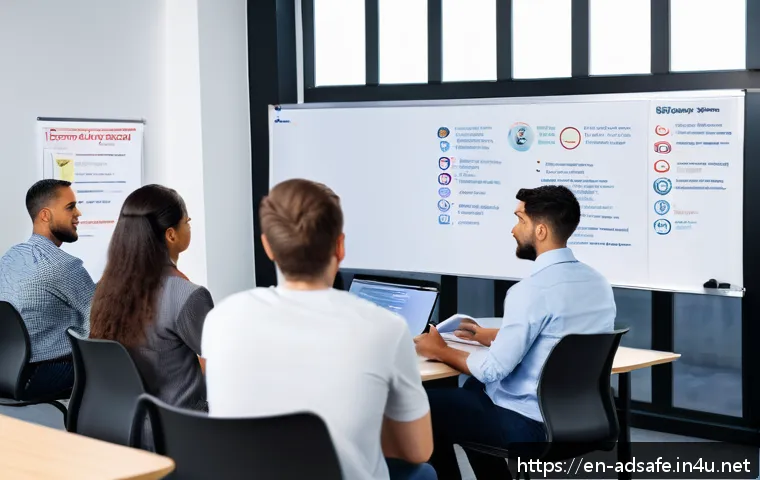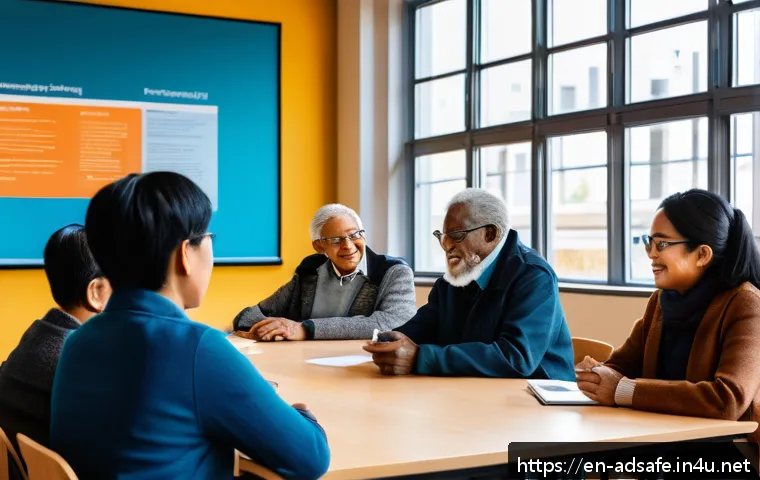
In today’s fast-paced world, effective communication within public administration is more critical than ever, especially as diverse communities demand transparency and responsiveness.
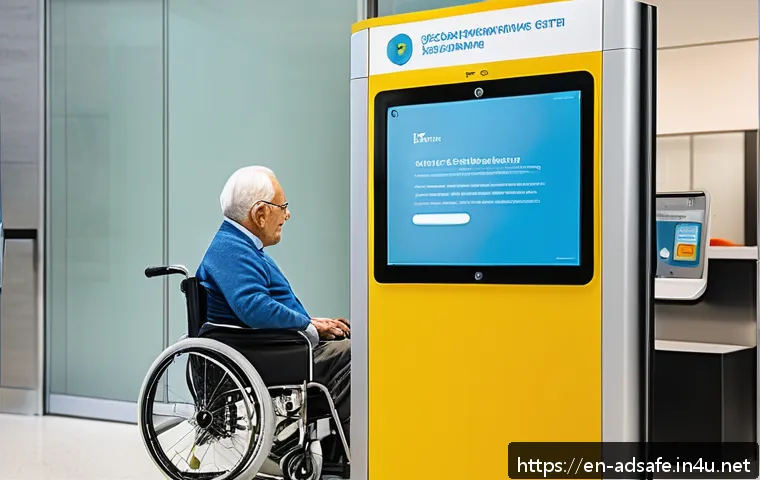
Yet, real-world barriers like bureaucratic jargon, cultural differences, and technology gaps often hinder smooth interactions. Having seen firsthand how these challenges impact service delivery, I’m excited to explore practical solutions that can bridge these gaps.
Whether you’re a public servant or a citizen interested in governance, understanding these hurdles is key to fostering trust and efficiency. Let’s dive into how breaking down these barriers not only improves communication but also strengthens the fabric of our communities.
Enhancing Clarity by Simplifying Language
Cutting Through Bureaucratic Jargon
Public administration often suffers from an overload of specialized terms and acronyms that can alienate citizens. When I worked on a community project, I noticed many residents felt overwhelmed by official notices packed with complex language.
Simplifying these communications, by replacing jargon with everyday words, made a huge difference. It wasn’t just about translation; it was about respect—acknowledging that clear language invites participation.
Using plain English doesn’t mean dumbing down information; instead, it makes transparency tangible. This approach fosters better understanding, reduces confusion, and encourages more meaningful dialogue between officials and the public.
Tailoring Communication for Diverse Audiences
Cultural and linguistic diversity demands more than a one-size-fits-all approach. From my experience in multicultural neighborhoods, I’ve seen how messages lose impact if they don’t resonate with the audience’s background.
For instance, using culturally relevant examples or providing translations in multiple languages can bridge gaps. Beyond translation, it’s vital to consider different communication styles—some communities prefer face-to-face interaction, others lean on digital platforms.
Incorporating community feedback loops, like focus groups or surveys, ensures that communication strategies evolve and remain effective. This responsiveness builds trust and shows that public administration values all voices equally.
Embracing Visual Communication Tools
Sometimes words aren’t enough, especially when explaining complex procedures or data. Visual aids such as infographics, videos, and interactive maps can transform dry information into engaging content.
I recall a local government campaign where introducing animated explainer videos dramatically increased public engagement on new policies. Visual tools can transcend language barriers and help people grasp key points quickly.
When designing these materials, simplicity and accessibility should be priorities—clear visuals combined with concise text work best. This multi-sensory approach enhances retention and empowers citizens to make informed decisions.
Bridging the Digital Divide in Government Services
Addressing Access Inequality
Not everyone has equal access to digital devices or reliable internet, which creates a significant hurdle in public service communication. During a recent project rollout, we encountered many residents unable to complete online forms due to lack of connectivity or digital literacy.
This gap can inadvertently exclude vulnerable populations from essential services. To counter this, offering multiple channels—like phone support, in-person assistance, and paper forms—is crucial.
Public administrations must actively identify digital deserts within their regions and invest in outreach programs that provide training and resources.
Only by recognizing and addressing these disparities can communication truly be inclusive.
Integrating User-Friendly Technology
Introducing technology that’s intuitive and accessible can transform how citizens interact with government services. I’ve seen firsthand how platforms designed with user experience in mind reduce frustration and improve completion rates for applications or feedback forms.
Features like mobile optimization, clear navigation, and multilingual support matter immensely. Additionally, involving end-users in the design process ensures the tools meet actual needs, not just theoretical ones.
When technology feels approachable rather than intimidating, it encourages ongoing engagement and streamlines workflows for both staff and the public.
Maintaining Privacy and Trust in Digital Communication
As governments adopt more digital tools, safeguarding personal information becomes paramount. Citizens often hesitate to share data if they fear misuse or breaches.
Transparent communication about how information is collected, stored, and used builds confidence. In my experience, simple privacy notices and easily accessible support channels reduce anxiety around digital interactions.
Regular updates about security measures and quick responses to concerns further demonstrate commitment to protecting users. Trust is the foundation of effective communication, and it must be nurtured continuously, especially in an era of increasing cyber threats.
Building Collaborative Relationships Between Officials and Communities
Creating Feedback Loops That Matter
One of the most powerful ways to improve communication is by genuinely listening to the community. I’ve participated in town halls where officials simply presented information without opportunities for input, which left attendees feeling unheard.
Shifting to a two-way dialogue model makes all the difference. Establishing ongoing feedback channels—whether through surveys, social media, or community advisory boards—allows public servants to adapt policies and communication styles dynamically.
When people see their opinions reflected in decisions, trust deepens and collaboration flourishes.
Training Public Servants in Empathy and Cultural Competence
Communication is not just about transmitting information; it’s about connecting with people on a human level. During training sessions I facilitated, emphasizing empathy helped staff better understand diverse community perspectives.
Cultural competence training is equally vital, equipping officials with the skills to navigate differences respectfully and effectively. These soft skills lead to more productive interactions and reduce misunderstandings.
When public servants feel confident and sensitive, it creates an environment where citizens feel valued and heard.
Leveraging Community Leaders as Communication Bridges
Trusted local figures often serve as essential intermediaries between administrations and residents. From my collaborations with neighborhood associations, I’ve seen how involving community leaders in crafting and disseminating messages amplifies reach and credibility.
These leaders understand local nuances and can tailor messages in ways that resonate deeply. Partnering with them also helps identify emerging issues quickly.
This grassroots approach enriches communication channels and promotes a sense of shared responsibility for community wellbeing.
Overcoming Organizational Silos to Streamline Communication
Encouraging Interdepartmental Collaboration

In many public agencies, departments operate in isolation, which can cause inconsistent messaging and delays. I experienced this firsthand when coordinating a multi-agency initiative where conflicting information confused citizens.
Breaking down these silos requires leadership commitment to open communication and shared goals. Regular cross-department meetings and integrated communication platforms facilitate real-time updates and unified messaging.
When teams collaborate effectively, the public experiences seamless service and clear guidance, enhancing overall satisfaction.
Implementing Centralized Communication Systems
Centralized systems consolidate information and streamline communication workflows. From what I’ve observed, adopting unified platforms reduces redundancies and errors.
For example, a centralized portal for citizen inquiries allows quick routing to the appropriate department, speeding up responses. It also enables consistent messaging across channels.
While implementing such systems requires upfront investment and training, the long-term benefits include improved efficiency and higher public trust. These tools create a cohesive communication environment that supports both staff and the community.
Monitoring and Evaluating Communication Effectiveness
Continuous improvement depends on measuring how well communication strategies perform. I’ve participated in audits and surveys that revealed gaps and opportunities for refinement.
Key metrics include response times, satisfaction scores, and engagement rates. Using data analytics helps identify trends and tailor future efforts. Transparent reporting of these findings to both staff and the public fosters accountability.
When everyone understands what’s working and what isn’t, it cultivates a culture of learning and responsiveness within public administration.
Designing Inclusive Communication Strategies for Accessibility
Adhering to Accessibility Standards
Accessibility is about ensuring that all individuals, including those with disabilities, can access and understand information. During a recent accessibility audit I conducted, it became clear that many government websites lacked features like screen reader compatibility or adequate contrast.
Following standards such as WCAG (Web Content Accessibility Guidelines) is not just a legal requirement but a moral imperative. Incorporating accessible fonts, captions, and alternative text makes information available to a broader audience.
This commitment signals that no one is left behind in civic engagement.
Providing Multiple Communication Formats
People process information differently, so offering various formats enhances comprehension. For instance, some individuals prefer written documents, while others respond better to audio or video content.
In one project, providing materials in braille and sign language interpretation significantly improved participation from the disabled community. Offering printed copies alongside digital versions ensures those without internet access are not excluded.
By embracing a multimodal approach, public administration demonstrates inclusivity and respect for diverse needs.
Training Staff to Support Diverse Communication Needs
Effective communication also depends on the skills of frontline staff. Training employees to recognize and accommodate different accessibility requirements leads to more positive interactions.
I recall a case where staff trained in basic sign language and disability etiquette created a more welcoming environment for all visitors. Encouraging patience, active listening, and flexibility enables staff to handle diverse situations confidently.
This human touch complements technological solutions and strengthens community trust.
Summary of Key Communication Barriers and Solutions
| Barrier | Impact | Practical Solutions |
|---|---|---|
| Bureaucratic Jargon | Confusion, decreased engagement | Use plain language, avoid acronyms, provide glossaries |
| Cultural and Linguistic Diversity | Misunderstandings, exclusion | Multilingual materials, culturally relevant examples, community feedback |
| Digital Divide | Unequal access to services | Multiple communication channels, digital literacy programs |
| Organizational Silos | Inconsistent messaging, delays | Interdepartmental collaboration, centralized communication platforms |
| Accessibility Gaps | Exclusion of disabled individuals | Adherence to accessibility standards, multiple formats, staff training |
Conclusion
Effective communication in public administration hinges on clarity, inclusivity, and trust. Simplifying language, embracing diverse communication methods, and bridging technological gaps empower communities to engage meaningfully. By fostering collaboration between officials and citizens and breaking down organizational barriers, government services become more accessible and responsive. Ultimately, clear and empathetic communication strengthens democratic participation and community wellbeing.
Useful Information to Keep in Mind
1. Always prioritize plain language to ensure messages are easily understood by everyone.
2. Tailor communication strategies to reflect cultural and linguistic diversity for greater impact.
3. Offer multiple channels and formats to bridge digital and accessibility divides.
4. Encourage interdepartmental collaboration to provide consistent and timely information.
5. Train staff in empathy and accessibility to create welcoming environments for all citizens.
Key Takeaways
Clear communication requires removing jargon and adapting messages for diverse audiences. Addressing digital inequalities through multiple access points ensures no one is left behind. Building trust involves transparency about privacy and actively listening to community feedback. Breaking down organizational silos enhances service delivery, while adherence to accessibility standards guarantees inclusivity. Investing in both technology and human-centered skills ultimately leads to more effective public engagement and stronger community relationships.
Frequently Asked Questions (FAQ) 📖
Q: uestionsQ1: What are the main communication barriers faced in public administration today?
A: The biggest hurdles often include bureaucratic jargon that confuses citizens, cultural differences that affect how messages are perceived, and technology gaps where not everyone has equal access or digital literacy.
From my experience working with diverse communities, these barriers can cause misunderstandings, delay service delivery, and reduce trust in public institutions.
Recognizing these obstacles is the first step toward creating more inclusive and effective communication strategies.
Q: How can public servants improve communication with diverse communities?
A: Public servants can start by simplifying language—avoiding technical terms and using plain English that anyone can understand. It’s also crucial to embrace cultural sensitivity by learning about the community’s values and communication styles.
Incorporating multiple channels, such as in-person meetings, translated materials, and accessible online platforms, helps reach a wider audience. I’ve seen that when officials actively listen and adapt their methods, it builds rapport and encourages citizen engagement.
Q: What role does technology play in enhancing or hindering public administration communication?
A: Technology is a double-edged sword. On one hand, it offers powerful tools like social media, chatbots, and online portals that can speed up communication and increase transparency.
On the other hand, not everyone has equal access to or comfort with digital tools, which can leave some groups behind. From my observations, balancing high-tech solutions with traditional methods ensures no one is excluded, ultimately making communication more effective and trustworthy.