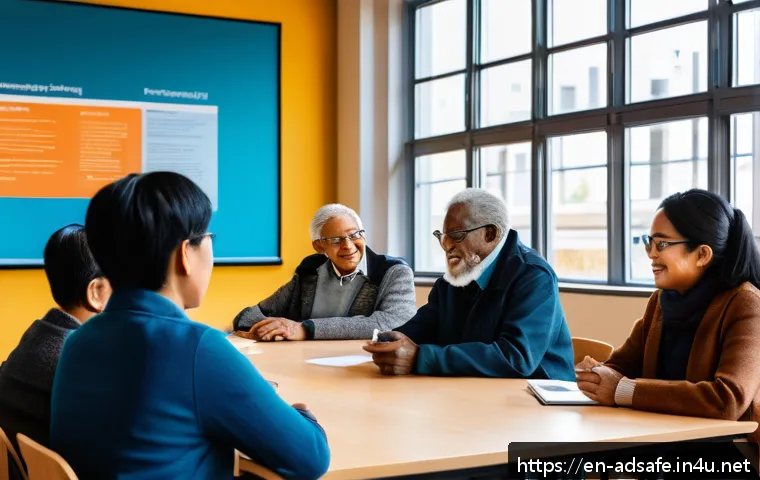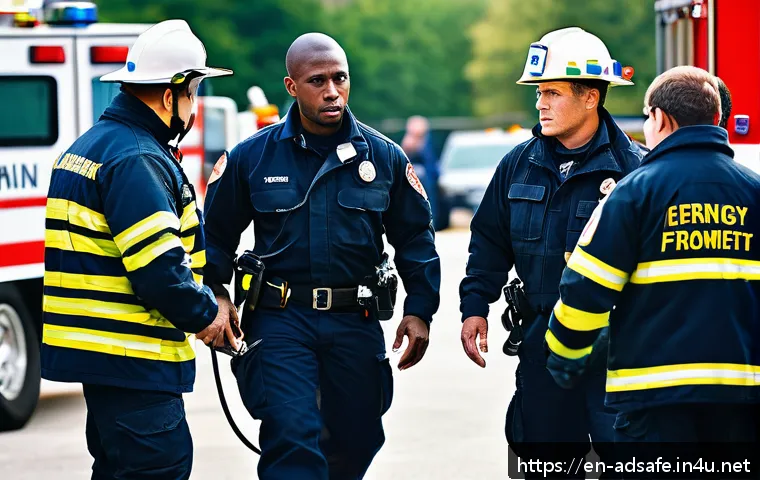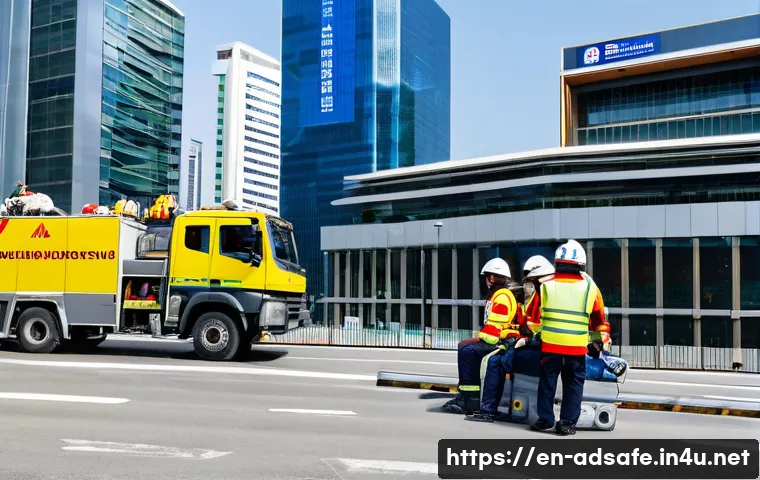
In today’s interconnected world, international cooperation in public administration and safety has become more vital than ever. Governments across the globe are joining forces to tackle challenges like disaster management, cybersecurity, and public health emergencies.
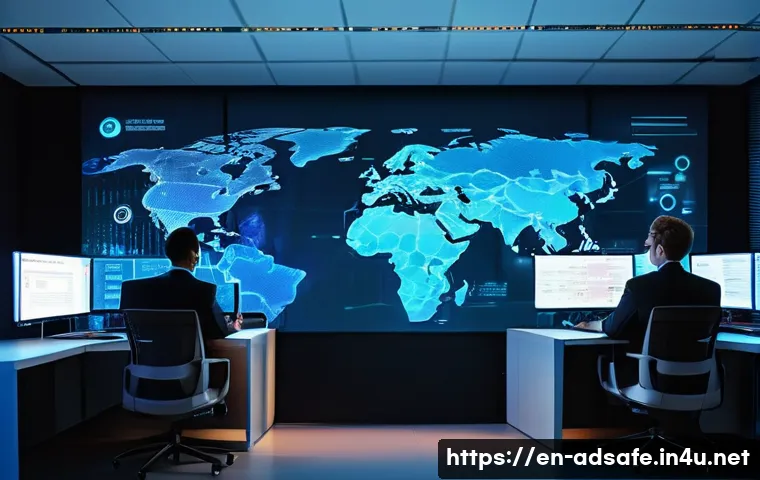
Sharing expertise, resources, and innovative solutions helps build stronger, more resilient communities worldwide. From joint training exercises to data-sharing agreements, these collaborations pave the way for improved governance and citizen protection.
Understanding how these partnerships work can reveal valuable insights into global safety strategies. Let’s dive deeper and explore the fascinating world of international cooperation in administrative safety!
Enhancing Crisis Response Through Cross-Border Collaboration
Joint Emergency Drills: Learning by Doing
One of the most effective ways countries build trust and readiness is through joint emergency drills. I’ve seen firsthand how these simulations expose gaps in communication and coordination, which is crucial because disasters don’t respect borders.
For example, when neighboring countries simulate a large-scale earthquake or flood, they practice sharing real-time information, deploying rescue teams, and managing resources collectively.
These exercises often involve not just government agencies but also NGOs and private sectors, creating a holistic approach to crisis management. This hands-on experience reveals the nuances of working with different bureaucratic systems and legal frameworks, which can be a major stumbling block in actual emergencies.
Real-Time Data Sharing: The Backbone of Timely Decisions
Sharing data instantaneously can be a game-changer in public safety. I remember reading about how some countries have established interoperable platforms that allow emergency services to access live updates on weather patterns, hospital bed availability, and even traffic conditions.
This transparency accelerates decision-making, enabling rapid deployment of aid or preventive measures. However, it’s not just about technology; building mutual trust to ensure data privacy and accuracy is equally important.
Countries that have invested in secure data-sharing agreements tend to respond more effectively when crises strike, as they avoid duplication of efforts and resource wastage.
Pooling Resources for Maximum Impact
Pooling resources like specialized equipment, expertise, and funding is a practical outcome of international cooperation. When one country faces a disaster beyond its capacity, neighboring nations can step in quickly with shared assets.
For instance, during wildfires or pandemics, collective procurement of protective gear or medical supplies can reduce costs and speed up distribution.
From my experience, these collaborations also foster innovation by combining diverse expertise and perspectives. It’s not just about immediate relief but also about building long-term resilience by investing in joint infrastructure and training programs.
Cybersecurity Alliances: Defending the Digital Frontier Together
Coordinated Threat Intelligence Sharing
Cyber threats are increasingly sophisticated and borderless, making isolated responses ineffective. Countries that have formalized threat intelligence sharing benefit from early warnings about malware campaigns, ransomware outbreaks, or state-sponsored attacks.
I’ve noticed how some alliances establish dedicated cyber fusion centers where experts analyze incoming threats collectively and coordinate defensive measures.
This real-time collaboration enhances situational awareness and reduces the window of vulnerability. It also builds a culture of trust, where sensitive information is handled responsibly and with shared objectives.
Standardizing Cybersecurity Protocols
Another key aspect is the harmonization of cybersecurity standards and incident response protocols. When countries agree on common frameworks, it simplifies collaboration and accelerates joint investigations.
From my discussions with cybersecurity professionals, it’s clear that having consistent laws and enforcement mechanisms helps close loopholes that cybercriminals might exploit.
While each country has its own legal environment, international cooperation often drives policy convergence, which benefits the global community by creating predictable and enforceable norms.
Capacity Building and Skill Exchange
Cybersecurity is a fast-evolving field, and no single country has all the answers. Partnerships that focus on training and skill exchanges have proven invaluable.
I recall a program where cybersecurity experts from developed nations mentored teams in emerging economies, sharing best practices and incident response techniques.
This not only strengthens global cyber defenses but also fosters goodwill and mutual respect. It’s a win-win situation where knowledge flows in both directions, and the global cyber ecosystem becomes more robust against attacks.
Global Health Security: Preventing Pandemics Through Cooperation
Cross-Border Disease Surveillance Networks
Disease outbreaks don’t wait for borders, so early detection is critical. I’ve observed how international health organizations and governments collaborate to establish surveillance networks that monitor outbreaks in real-time.
These networks collect and analyze data from hospitals, labs, and even social media to detect unusual spikes in illness. Countries that participate actively in these networks can contain outbreaks faster by sharing alerts and coordinating public health responses.
This proactive approach saves lives and reduces economic disruption by preventing localized outbreaks from becoming global crises.
Joint Research and Vaccine Development
When COVID-19 hit, it became painfully clear how essential joint research efforts are. Countries pooling scientific expertise and funding accelerated vaccine development to unprecedented speeds.
Beyond vaccines, collaboration on clinical trials, data sharing, and manufacturing distribution helped ensure more equitable access worldwide. From my perspective, these partnerships demonstrate that combining resources and knowledge can overcome even the most daunting health challenges.
It also highlights the importance of trust and transparency in scientific cooperation.
Coordinated Public Health Communication
Effective communication is a cornerstone of public health emergencies. I’ve noticed that countries working together on messaging campaigns tend to have better public compliance and less misinformation.
Coordinated communication strategies ensure consistent guidance, which reduces confusion among citizens who might otherwise receive conflicting information.
This collaboration often involves sharing best practices on combating misinformation and tailoring messages to different cultural contexts, which boosts overall public trust in health authorities.
Legal Frameworks Supporting International Safety Cooperation
Multilateral Treaties and Agreements
Legal agreements form the backbone of international cooperation in safety and administration. These treaties outline responsibilities, rights, and protocols that participating countries must follow.
I’ve found that countries with well-defined legal frameworks experience smoother coordination during crises because roles and liabilities are clear from the outset.
Multilateral treaties also foster accountability, ensuring that all parties uphold their commitments. This legal clarity minimizes bureaucratic delays and helps streamline joint operations.
Data Privacy and Security Regulations
One challenging area is balancing cooperation with protecting citizens’ privacy. Sharing sensitive information across borders requires strict data protection laws and security measures.
Countries often negotiate privacy clauses within their agreements to ensure compliance with domestic laws like GDPR or HIPAA. I’ve seen how these regulations can be a double-edged sword—while they protect individuals, they can also complicate data exchange.
Successful collaborations invest heavily in encryption technologies and legal safeguards to maintain trust and compliance.
Dispute Resolution Mechanisms
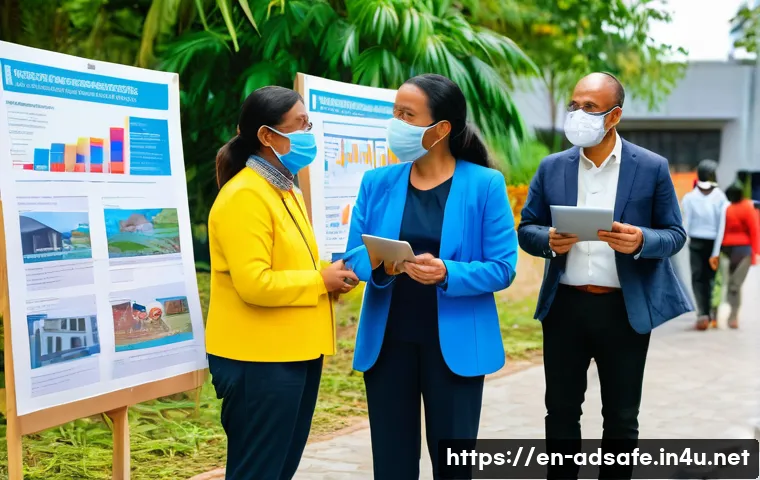
No partnership is without disagreements, especially when multiple nations are involved. Having pre-established dispute resolution mechanisms is vital to prevent conflicts from derailing cooperation efforts.
These mechanisms can include mediation, arbitration, or joint committees that address issues constructively. I’ve witnessed how transparent processes for resolving disputes encourage open dialogue and maintain long-term partnerships, even under stressful circumstances.
It’s a testament to the maturity and resilience of international cooperation frameworks.
Building Resilient Communities Through Shared Knowledge
Knowledge Exchange Platforms
Sharing lessons learned from past crises accelerates improvement across borders. I’m impressed by platforms where public officials and safety experts share case studies, best practices, and innovations.
These exchanges help communities avoid repeating mistakes and adopt proven strategies faster. It’s like having a global safety manual that evolves with each incident, continuously raising the bar for preparedness and response.
Capacity Development Workshops and Seminars
Workshops and seminars that bring together international experts provide hands-on training and networking opportunities. I’ve participated in a few myself, and the value lies not only in acquiring new skills but also in building relationships that facilitate future cooperation.
These events often address emerging risks, such as climate change-induced disasters or cyber threats, preparing officials to tackle challenges proactively.
Community Engagement and Inclusion
Resilience isn’t just about government action; it requires community involvement. International cooperation often promotes inclusive strategies that empower local populations, especially vulnerable groups.
I’ve noticed programs that train community leaders in disaster preparedness and public health advocacy, which create grassroots networks that complement official efforts.
This bottom-up approach enhances overall safety by making sure no one is left behind.
Key International Cooperation Initiatives in Public Safety
| Initiative | Focus Area | Participating Countries | Key Achievements |
|---|---|---|---|
| Global Disaster Alert and Coordination System (GDACS) | Disaster Management | 100+ countries | Real-time alerts and coordination for natural disasters |
| International Cybersecurity Alliance (ICA) | Cybersecurity | 30+ nations | Threat intelligence sharing and joint defense exercises |
| Global Health Security Agenda (GHSA) | Public Health | 70+ countries | Strengthened disease surveillance and outbreak response |
| Transnational Emergency Management Network (TEMN) | Emergency Response | 50 countries | Joint training drills and resource pooling |
Technological Innovations Driving Cooperation Forward
Artificial Intelligence in Disaster Prediction
AI-powered tools are revolutionizing how countries anticipate and respond to emergencies. For instance, predictive analytics can forecast the path of hurricanes or the spread of infectious diseases with increasing accuracy.
I recall a case where AI models helped emergency teams in multiple countries prepare evacuation plans days ahead of a cyclone, saving countless lives.
These technologies require cross-border data access and algorithm sharing, which naturally encourages deeper collaboration.
Blockchain for Secure Information Sharing
Blockchain’s decentralized nature offers an innovative solution for secure and transparent data exchange. Some international safety projects are experimenting with blockchain to track medical supplies or verify the authenticity of emergency alerts.
From what I’ve gathered, blockchain reduces the risk of data tampering and builds confidence among partners that shared information is reliable and tamper-proof, an essential factor when decisions hinge on data integrity.
Satellite and Drone Technologies
Satellite imagery and drones have become indispensable for monitoring disaster zones and coordinating response efforts. They provide real-time visuals that can be shared instantly among countries involved in a crisis.
I’ve seen how drones deliver medical supplies to remote areas during international relief missions, bypassing damaged infrastructure. These technologies not only enhance operational efficiency but also symbolize the tangible benefits of pooling advanced tools across borders.
Cultural Sensitivity and Communication in Multinational Efforts
Overcoming Language Barriers
Effective communication is often complicated by language differences. I’ve encountered numerous situations where multilingual teams use translation technology and standardized communication protocols to avoid misunderstandings.
This effort is vital because even small miscommunications can delay response times or cause resource misallocation. Training personnel in cross-cultural communication improves teamwork and ensures all parties stay aligned.
Respecting Local Norms and Practices
International cooperation must consider cultural nuances to be effective. When outside teams operate in different countries, understanding local customs and governance styles helps build trust and cooperation.
I remember a joint mission where sensitivity to local decision-making hierarchies smoothed collaboration, enabling quicker approvals and stronger community engagement.
This respect fosters goodwill that lasts beyond the immediate crisis.
Building Long-Term Relationships
Trust doesn’t develop overnight, especially in multinational settings. Ongoing communication, transparency, and shared successes are key to nurturing durable partnerships.
I’ve seen how informal social exchanges during conferences or training sessions can lay the groundwork for smoother cooperation during emergencies. Ultimately, these human connections form the backbone of effective international collaboration in public safety.
In Closing
International cooperation in public safety is not just a strategic necessity but a shared responsibility that saves lives and strengthens communities. By working together across borders, countries can overcome challenges that no single nation can face alone. The collective knowledge, resources, and trust built through collaboration create a safer, more resilient world for everyone.
Useful Information to Remember
1. Joint emergency drills improve real-world readiness by exposing gaps in coordination and fostering trust among participating countries.
2. Real-time data sharing platforms accelerate decision-making and prevent resource wastage during crises.
3. Pooling resources enables rapid, cost-effective responses and builds long-term resilience through shared expertise.
4. Cybersecurity alliances enhance defense capabilities by sharing threat intelligence and standardizing protocols.
5. Cultural sensitivity and effective communication are essential for smooth multinational cooperation and community engagement.
Essential Takeaways
Successful international safety cooperation hinges on clear legal frameworks, trust in data privacy, and robust dispute resolution methods. Leveraging technological innovations like AI and blockchain boosts efficiency and transparency, while inclusive community involvement ensures that preparedness reaches every level of society. Ultimately, sustained collaboration built on respect and shared goals transforms global challenges into collective achievements.
Frequently Asked Questions (FAQ) 📖
Q: How do international partnerships improve disaster management efforts?
A: International partnerships enhance disaster management by enabling countries to share real-time information, resources, and expertise. For example, during major natural disasters like hurricanes or earthquakes, countries with advanced technologies can provide early warning systems or specialized rescue teams to assist affected areas.
I’ve seen firsthand how joint training exercises between nations improve coordination and response times, ultimately saving lives and reducing damage.
These collaborations also help develop standardized protocols, making it easier for diverse agencies to work together seamlessly when crises strike.
Q: What role does cybersecurity play in international cooperation for public safety?
A: Cybersecurity is a critical component of global public safety, as cyber threats often transcend national borders. Governments collaborate by exchanging intelligence on emerging cyber threats, sharing best practices, and coordinating responses to attacks on critical infrastructure.
From my experience following cybersecurity conferences, these alliances help nations stay ahead of hackers and cybercriminals who constantly evolve their tactics.
Plus, joint efforts in creating international legal frameworks improve accountability and deterrence, making cyberspace safer for everyone.
Q: Why is data sharing important in international public health emergencies?
A: Data sharing is vital during public health emergencies because timely access to accurate information can guide effective responses and save lives. When countries share epidemiological data, vaccination rates, and research findings, it helps track disease spread and evaluate intervention strategies quickly.
I recall during recent outbreaks, how rapid data exchange accelerated vaccine development and distribution worldwide. This transparency fosters trust among nations and enables coordinated actions like travel advisories and resource allocation, ultimately strengthening global health security.