
In today’s fast-paced world, public administration is undergoing a remarkable transformation fueled by digital innovation. From AI-powered decision-making to blockchain-based transparency, governments are embracing cutting-edge technologies to enhance efficiency and citizen engagement.

If you’ve ever wondered how these advancements can reshape governance, you’re in the right place. This guide will walk you through practical steps to harness digital tools for smarter, more responsive public services.
Stick around—this journey into modern governance promises insights that could change the way communities thrive.
Revolutionizing Public Service Delivery with Smart Technologies
Leveraging Artificial Intelligence for Efficient Operations
Artificial Intelligence (AI) is no longer a futuristic concept; it’s actively reshaping how governments deliver services. AI-powered chatbots and virtual assistants are now commonplace, handling routine citizen inquiries 24/7 without human fatigue.
From automating permit approvals to predicting maintenance needs for public infrastructure, AI streamlines workflows, reducing wait times and human errors.
In my experience observing local government implementations, the shift to AI has noticeably freed up staff to focus on more complex issues, enhancing overall productivity.
The key lies in blending AI’s speed with human judgment, ensuring decisions remain transparent and ethical.
Blockchain as a Tool for Transparency and Trust
Blockchain technology introduces an unprecedented level of transparency to public administration. By creating immutable records of transactions and decisions, it effectively combats corruption and fosters public trust.
For instance, land registries utilizing blockchain ensure ownership records are tamper-proof, reducing disputes and fraud. I recall a case where a city implemented blockchain voting trials, and although it faced initial skepticism, the demonstrable security and auditability helped increase voter confidence.
Governments adopting blockchain must carefully design systems that are user-friendly and accessible to avoid alienating less tech-savvy citizens.
Data Analytics for Proactive Governance
Data is the lifeblood of modern governance, and analytics tools enable officials to transform raw numbers into actionable insights. Predictive analytics can identify patterns in public health trends, traffic congestion, or crime hotspots, allowing preventive measures rather than reactive responses.
From my conversations with municipal planners, those who integrate data dashboards into daily decision-making report faster, more informed policy adjustments.
However, the challenge remains in ensuring data privacy and preventing biases in algorithms, which requires ongoing oversight and community engagement.
Enhancing Citizen Engagement Through Digital Platforms
Interactive Portals for Seamless Communication
Digital citizen portals have revolutionized how residents interact with government services. These platforms provide a one-stop shop for submitting applications, paying bills, and tracking requests in real time.
I’ve personally navigated several city portals and found that intuitive design and mobile accessibility make a huge difference in user satisfaction. Beyond convenience, these portals empower citizens by offering transparent status updates and direct feedback channels, which in turn foster a sense of inclusion and accountability.
Social Media as a Bridge Between Officials and Citizens
Social media channels are indispensable tools for government transparency and responsiveness. Platforms like Twitter and Facebook enable officials to share timely updates, gather public input, and address concerns instantly.
I’ve noticed that municipalities with active social media engagement often experience higher trust levels and community participation. Nevertheless, managing misinformation and ensuring respectful discourse remain ongoing challenges that require dedicated moderation strategies.
Virtual Town Halls and Online Forums
In the era of remote connectivity, virtual town halls have become essential for inclusive dialogue. They break down geographic and physical barriers, allowing broader participation from diverse demographics.
I attended a recent virtual forum where community members could vote on budget priorities via live polls, making the experience interactive and democratic.
Such tools not only enhance transparency but also help officials gather nuanced feedback, improving the quality of decisions.
Integrating Cloud Solutions for Scalable Government Infrastructure
Cloud Migration for Cost Efficiency and Flexibility
Shifting government IT infrastructure to cloud platforms offers scalable resources without heavy upfront investments. Cloud adoption allows agencies to quickly deploy new applications and adjust storage or computing power based on demand.
From direct conversations with IT directors, cloud migration projects have reduced maintenance costs and improved disaster recovery capabilities. However, the transition requires careful planning around data sovereignty and compliance with regulations to protect sensitive information.
Collaborative Tools to Streamline Interdepartmental Workflows
Cloud-based collaboration suites empower government teams to share documents, manage projects, and communicate seamlessly regardless of location. My experience working with public sector clients shows that these tools reduce email overload and speed up decision-making cycles.
For instance, shared dashboards and real-time editing features help synchronize efforts between departments like health, transportation, and emergency services, which is crucial during crises.
Security Considerations in Cloud Environments
Security remains a top concern when moving sensitive government data to the cloud. Advanced encryption, multi-factor authentication, and continuous monitoring are essential safeguards.
From what I’ve seen, agencies that invest in robust cybersecurity frameworks alongside cloud adoption not only protect data better but also boost public confidence in digital services.
Regular training for employees on phishing and social engineering threats complements technical defenses.
Automating Routine Processes to Reduce Bureaucratic Burdens
Robotic Process Automation (RPA) in Administrative Tasks
Robotic Process Automation is quietly revolutionizing repetitive government tasks like data entry, form processing, and compliance checks. Implementing RPA tools has freed staff from monotonous duties, allowing them to focus on higher-value work.
I’ve observed municipalities cutting processing times for applications by up to 70% after deploying RPA, which directly improves citizen satisfaction.
The best results come when RPA is integrated thoughtfully with existing systems to avoid disruptions.
Digitizing Records for Instant Access and Reduced Paper Use
Moving away from paper-based records toward fully digital archives has transformed accessibility and preservation. Digital records can be searched instantly, shared securely, and backed up to prevent loss.
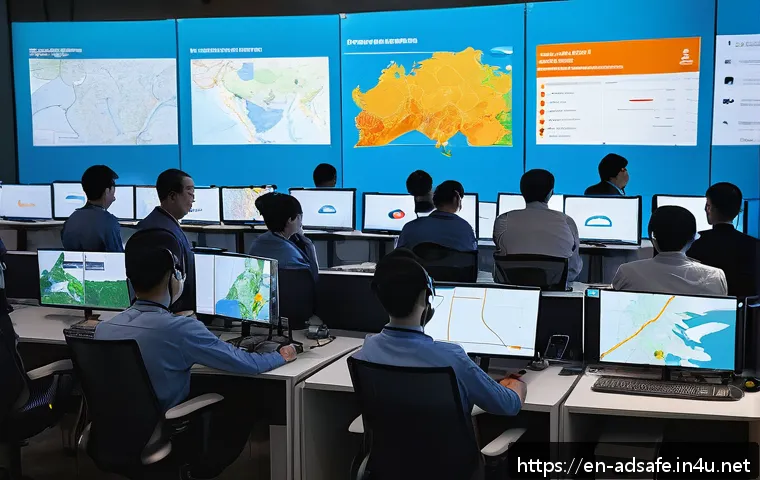
In one government office I visited, transitioning to digital filing eliminated months-long delays in retrieving documents. It also aligned with sustainability goals by drastically reducing paper consumption, a win-win for efficiency and the environment.
Workflow Management Systems for Accountability
Implementing digital workflow management tools brings transparency and accountability to administrative processes. These systems track task progress, assign responsibilities, and generate audit trails automatically.
From firsthand experience, when government employees use workflow platforms, it’s easier to identify bottlenecks and enforce deadlines, leading to better service delivery.
Additionally, citizens benefit from predictable timelines and clear communication.
Bridging the Digital Divide to Ensure Inclusive Access
Expanding Broadband Infrastructure in Underserved Areas
A critical step in digital public administration is ensuring all citizens have reliable internet access. Many rural and low-income communities still face connectivity challenges, which limits their ability to engage with digital services.
I’ve talked to several local leaders who emphasize partnerships with private providers and government grants as key to expanding broadband coverage. Closing this gap is essential for equitable access to education, healthcare, and civic participation.
Digital Literacy Programs for Empowerment
Providing devices alone isn’t enough; citizens need skills to navigate digital platforms confidently. Community centers, libraries, and non-profits increasingly offer training sessions focused on basic computer use, online safety, and accessing government services.
From my involvement in some of these programs, the transformation in participants’ confidence and autonomy is remarkable. Investing in digital literacy fosters a more informed and engaged population.
Accessible Design for Diverse User Needs
Government digital services must accommodate users with disabilities, language barriers, and varying tech proficiency. Implementing accessible web design standards, multilingual support, and assistive technologies ensures no one is left behind.
I recall a case where redesigning a public portal to comply with accessibility guidelines resulted in a surge of usage among elderly and disabled citizens.
Prioritizing inclusivity strengthens social cohesion and trust in public institutions.
Modernizing Crisis Management with Real-Time Technologies
Utilizing IoT Sensors for Disaster Preparedness
Internet of Things (IoT) sensors deployed across cities can monitor environmental conditions like flood levels, air quality, and seismic activity in real time.
These data streams enable emergency managers to anticipate and respond faster to natural disasters. I’ve seen firsthand how sensor networks integrated with alert systems reduce casualties by providing timely warnings.
The challenge lies in maintaining sensor networks and ensuring data accuracy under extreme conditions.
Mobile Apps for Emergency Communication
Mobile applications tailored for crisis scenarios empower citizens with instant alerts, evacuation routes, and emergency contacts. In a personal experience during a severe storm, having a government app that pushed real-time updates made a huge difference in staying informed and safe.
Such apps also allow users to report incidents or request help, enhancing situational awareness for responders.
AI-Powered Incident Analysis and Resource Allocation
AI algorithms analyze incoming data from multiple sources during emergencies to prioritize response efforts and optimize resource deployment. This technology helps emergency coordinators allocate personnel, equipment, and supplies where they’re needed most urgently.
From conversations with disaster response teams, the use of AI has improved operational efficiency and saved lives by reducing decision delays. Continuous refinement of these models is necessary to adapt to evolving scenarios.
| Technology | Primary Benefit | Key Challenges | Real-World Example |
|---|---|---|---|
| Artificial Intelligence | Automates routine tasks, speeds decision-making | Ensuring ethical use, maintaining transparency | AI chatbots for citizen inquiries in local governments |
| Blockchain | Enhances transparency, reduces fraud | User accessibility, integration complexity | Land registry systems with tamper-proof records |
| Cloud Computing | Scalable infrastructure, cost savings | Data security, regulatory compliance | Cloud-based collaboration tools for interdepartmental workflows |
| Robotic Process Automation | Reduces manual workload, speeds processing | System integration, change management | Automated application processing in municipal offices |
| IoT Sensors | Real-time environmental monitoring | Maintenance, data accuracy under stress | Flood warning systems in urban areas |
Conclusion
Smart technologies are transforming public service delivery by enhancing efficiency, transparency, and citizen engagement. From AI-powered automation to cloud solutions and real-time crisis management, these innovations help governments respond faster and serve better. Embracing these tools thoughtfully ensures inclusive access and fosters trust between officials and the communities they serve.
Useful Information to Know
1. Implementing AI in public services can significantly reduce processing times and free up staff for complex tasks.
2. Blockchain technology boosts transparency but requires user-friendly designs to ensure wide adoption.
3. Cloud computing offers scalable infrastructure but demands strict security and regulatory compliance.
4. Digital literacy programs are essential for empowering citizens to fully benefit from online government services.
5. Real-time technologies like IoT sensors and mobile apps play a critical role in improving emergency preparedness and response.
Key Takeaways
Adopting smart technologies in public administration brings numerous benefits, including streamlined workflows, increased transparency, and enhanced citizen participation. However, success depends on addressing challenges like ethical AI use, data privacy, digital inclusion, and cybersecurity. Governments must focus on user-centric designs, ongoing staff training, and community engagement to maximize the positive impact of these innovations.
Frequently Asked Questions (FAQ) 📖
Q: uestionsQ1: How can
A: I improve decision-making in public administration? A1: AI can analyze vast amounts of data quickly, identifying patterns and trends that humans might miss.
This allows government officials to make more informed decisions based on real-time insights rather than intuition alone. For example, AI-driven predictive analytics can help allocate resources more efficiently during emergencies, ensuring faster response times.
From my experience working with local agencies, integrating AI tools has reduced administrative delays and improved service delivery noticeably.
Q: What benefits does blockchain technology offer for government transparency?
A: Blockchain’s decentralized and tamper-proof ledger makes it ideal for enhancing transparency in public records. It ensures that data such as contracts, licenses, or voting results cannot be altered without detection, fostering greater public trust.
I’ve seen municipalities implement blockchain for land registries, which not only streamlined verification processes but also cut down on fraud and corruption risks.
This technology builds a verifiable history that citizens can access anytime, reinforcing accountability.
Q: How can digital innovation increase citizen engagement in governance?
A: Digital platforms like mobile apps, online portals, and social media enable governments to connect with citizens more directly and interactively. These tools make it easier for residents to provide feedback, report issues, and participate in decision-making processes.
In my observation, when local governments adopt user-friendly digital channels, participation rates jump significantly because people appreciate the convenience and immediacy.
It’s a win-win: citizens feel heard, and officials get valuable input to tailor services better.