
Hey everyone! In our always-on, digital world, where opinions fly faster than ever, managing your professional reputation isn’t just a good idea—it’s absolutely critical, especially for public administration experts.
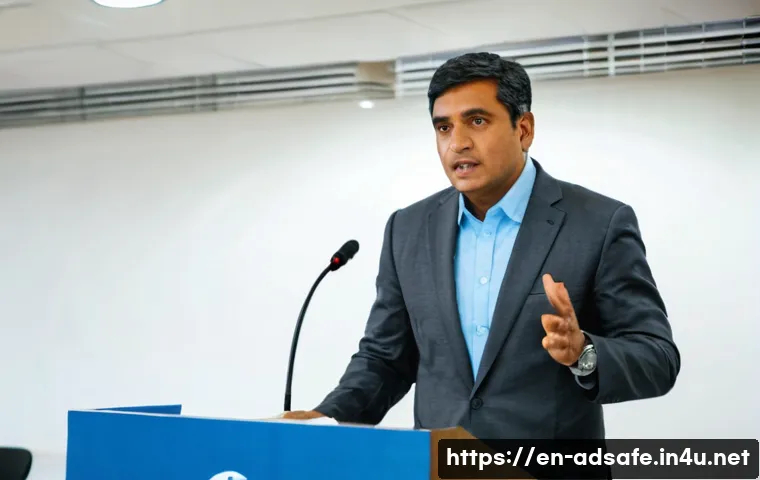
I’ve personally seen how quickly public sentiment can shift, and how crucial it is to not only do great work but also to effectively communicate and protect your good name.
Your credibility is your most valuable asset, and navigating today’s complex media landscape demands a proactive, thoughtful approach. We’re talking about more than just crisis management; it’s about building and maintaining enduring trust in an age of constant scrutiny.
So, are you ready to master the art of reputation management and ensure your expertise shines through? Let’s dive in and truly get to grips with protecting your professional standing.
Understanding the Digital Eco
The Shifting Sands of Public Perception
Man, if there’s one thing I’ve learned over the years watching public figures and organizations, it’s that the digital world has completely rewritten the rules of engagement. It’s not just about putting out a press release anymore and hoping for the best. Nope, these days, every tweet, every comment, every single piece of content you or your organization puts out – or even that *others* put out about you – becomes part of a giant, ever-evolving narrative. I remember a time, not too long ago, when a negative news story might take a day or two to really spread, giving you a bit of breathing room. Now? It’s instantaneous, global, and boy, can it snowball fast. It’s like trying to catch smoke sometimes, and for those of us in public administration, where trust is our absolute currency, understanding this lightning-fast feedback loop isn’t just helpful; it’s non-negotiable. You can’t just be *good* at your job; you also have to be *perceived* as good, and that perception is constantly being shaped online, whether you’re actively participating or not. This means we have to be incredibly intentional about how we present ourselves and our work in this hyper-connected space, always mindful that our actions, both online and off, contribute to our public narrative.
Why Your Online Footprint Matters More Than Ever
Think about it. Before someone even calls your office or attends a public meeting, what’s the first thing they do? They Google you, right? Or they check out your agency’s social media. Your online footprint isn’t just a record of your past; it’s often the *first impression* someone gets of your professional self. And let me tell you, that first impression is notoriously hard to change once it’s set. I’ve seen incredibly competent people struggle to gain traction simply because their online presence was either non-existent, outdated, or worse, contained misleading or negative information they weren’t even aware of. It’s not about being a social media superstar, but about being visible, credible, and consistent. This involves more than just having a LinkedIn profile; it’s about strategically sharing insights, engaging thoughtfully, and ensuring that the information available about you accurately reflects your expertise and values. We’re talking about building a digital asset that works *for* you, establishing authority and trustworthiness before you even shake someone’s hand. It’s a proactive defense mechanism, really, ensuring that when people look you up, they find a wealth of positive, professional information that reinforces your public service commitment. This foundational understanding is crucial because without it, any other reputation management efforts are built on shaky ground, making all subsequent efforts less effective.
Crafting Your Narrative: Be the Author of Your Own Story
Defining Your Professional Brand
Look, if you don’t define who you are professionally, someone else will do it for you – and trust me, their version might not be the one you want out there. This is where personal branding comes into play, not in a superficial, influencer-y way, but in a really genuine, strategic sense for public administration. What are your core values? What unique expertise do you bring to the table? How do you want to be seen by your peers, stakeholders, and the public? I spent years just assuming my work would speak for itself, but I quickly learned that in today’s noisy world, you have to actively articulate your value. It’s about being clear and consistent across every platform, from your professional bio to how you introduce yourself at a conference. It’s about identifying your niche, whether it’s urban planning, public policy, or community engagement, and then subtly, but consistently, reinforcing that expertise. This isn’t about bragging; it’s about providing clarity and demonstrating your commitment to public service. When you own your narrative, you create a sturdy framework against which future perceptions will be measured, making it much harder for misinformation or misinterpretations to take root.
Authenticity as Your North Star
Now, here’s the kicker: none of this works if it’s not authentic. People can smell a fake a mile away, especially in the public sector where trust is everything. Your professional brand needs to be a true reflection of who you are and what you stand for. I’ve personally tried to adopt certain “professional” personas in the past, thinking that’s what was expected, only to find it felt forced and ultimately ineffective. The most impactful reputation-building comes from genuine engagement, honest communication, and a clear alignment between your words and your actions. This means being transparent about your limitations, acknowledging mistakes when they happen, and demonstrating a true commitment to the public good. It means sharing your insights not just because you *should*, but because you genuinely believe in informing and empowering the communities you serve. Authenticity builds a deep, resilient trust that can weather the inevitable storms of public life. It’s not about being perfect, it’s about being real and demonstrating integrity in every interaction, both online and offline.
The Social Media Tightrope: Balancing Transparency and Professionalism
Strategic Engagement, Not Just Presence
Let’s be real, social media can feel like a minefield for anyone in public administration. One wrong move and boom, you’re trending for all the wrong reasons. But here’s the thing: ignoring it isn’t an option anymore. It’s about strategic engagement. I’ve found that it’s far better to have a thoughtful, intentional presence than to be absent entirely or, worse, to be haphazardly active. This means choosing platforms where your stakeholders are, understanding the unique nuances of each platform, and crafting messages that resonate. Are you on LinkedIn to share policy insights? Great. Twitter for timely updates and quick interactions? Perfect. The key is to have a purpose for every post and every interaction. It’s about being accessible, answering questions where appropriate, and subtly reinforcing your expertise. I’ve seen public officials make huge strides in community trust just by genuinely engaging with questions and concerns on platforms like Facebook, showing they’re listening and responsive. It’s not about becoming a viral sensation; it’s about consistent, valuable interaction that builds rapport and demonstrates responsiveness.
Setting Boundaries and Avoiding Pitfalls
Navigating social media also means knowing where to draw the line. I always advise people to think before they post – like, seriously, pause and think. Is this comment going to stand the test of time? Could it be misinterpreted? What’s the context? It’s so easy to get caught up in an emotional moment or a quick reaction, but for us, the stakes are incredibly high. Personal opinions that might be fine for a private citizen can quickly become a professional liability for someone in public service. Establishing clear personal and professional boundaries online is crucial. I try to maintain a strict “no politics” rule on my personal channels, for example, especially if it could be misconstrued as an official stance. Also, be wary of engagement traps – not every troll deserves a response. Knowing when to engage and when to gracefully disengage is a skill that comes with practice, but it’s essential for protecting your professional standing in a world where everything you say can be amplified and scrutinized.
When the Storm Hits: Navigating Public Scrutiny and Crises
Preparation Is Half the Battle
Believe me, it’s not *if* a crisis will hit, but *when*. And when it does, you want to be ready. I’ve been through a few, both personally and observing others, and the difference between those who weather it well and those who crash and burn almost always comes down to preparation. This isn’t just about having a dusty crisis communication plan tucked away in a drawer; it’s about actively thinking through potential scenarios and having a clear, actionable strategy. Who speaks for the organization? What’s the message? How do we get that message out quickly and consistently across all channels? It means identifying your key stakeholders *before* an issue arises and understanding their concerns. It’s about building a core team that can react calmly and effectively under pressure. I’ve seen firsthand how a well-drilled team, even in the face of intense public backlash, can control the narrative, maintain credibility, and ultimately minimize long-term damage simply because they had thought about it beforehand. When the heat is on, you need clear heads and a clear plan, not people running around trying to figure things out on the fly.
Communicating with Clarity and Empathy
Once a crisis hits, how you communicate is everything. I cannot stress this enough: lead with empathy and transparency. Acknowledge the public’s concerns, express regret where appropriate, and clearly outline the steps you’re taking to address the situation. Fumbling or deflecting will only pour fuel on the fire. I once saw a public official try to downplay a significant issue, and the public backlash was brutal and swift. Conversely, I’ve also witnessed truly challenging situations handled with grace and honesty, where the public, though initially upset, eventually respected the candor and proactive measures taken. It’s about controlling the narrative by being the primary, most reliable source of information. Use simple, direct language. Avoid jargon. Provide updates regularly, even if it’s just to say, “We’re still working on it and will share more soon.” Remember, people want to feel heard and understood, even when they’re angry. Your goal isn’t just to manage the message, but to rebuild trust, and that starts with clear, empathetic, and consistent communication from the very first moment.
Building Bridges: Engaging with Stakeholders Authentically
Beyond Just “Public Relations”
Sometimes, “public relations” gets a bad rap, right? It sounds a bit like spin, a bit detached. But for public administration experts, true engagement is so much more than that; it’s the bedrock of a strong, resilient reputation. It’s about genuinely connecting with the people and groups affected by your work, listening to their perspectives, and integrating their feedback where possible. I’ve always found that the most effective reputation management isn’t about broadcasting; it’s about dialogue. This means going beyond formal consultations and actually being present in the communities you serve, attending local events, and understanding the real-world impact of policies. It’s about building relationships before you need them. I’ve personally seen how much easier it is to navigate a tricky policy change or explain a complex decision when you’ve already established a foundation of trust with community leaders and advocacy groups. This proactive relationship-building makes people more likely to give you the benefit of the doubt and less likely to jump to negative conclusions when challenges inevitably arise.
The Power of Collaborative Problem-Solving
There’s nothing quite like rolling up your sleeves and working *with* stakeholders to solve a problem. It’s a powerful reputation builder because it demonstrates not just your expertise, but also your willingness to collaborate and your commitment to shared outcomes. I’ve been involved in projects where initially, community groups were highly skeptical, even hostile. But by genuinely inviting them to the table, empowering them to contribute, and showing that their input truly mattered, we transformed adversaries into partners. This isn’t about simply going through the motions of public input; it’s about a sincere belief in the value of diverse perspectives. When you co-create solutions, you not only often arrive at better outcomes, but you also build a sense of ownership and mutual respect that dramatically enhances your reputation. It shows you’re not just an expert, but a facilitator, a listener, and someone who genuinely values collaboration. This kind of engagement transcends mere policy discussions and builds lasting goodwill that fortifies your professional standing.
The Long Game: Sustaining Your Reputation for the Future
Consistency is Your Best Friend
You know, building a great reputation isn’t a one-time project; it’s an ongoing commitment. It’s like tending a garden – you can’t just plant the seeds and walk away. You’ve got to water it, prune it, and protect it from pests. For us in public administration, this means consistency in everything we do. Consistent communication, consistent adherence to ethical standards, and consistent delivery on our promises. I’ve observed that the biggest reputation slips often don’t come from massive scandals, but from a slow, steady erosion of trust due to inconsistency – promises made but not kept, standards applied unevenly, or communication that’s sporadic and unreliable. People value predictability and reliability. When they know what to expect from you, and when you consistently meet those expectations, you build a deep reservoir of trust. This long-term consistency is what creates a truly resilient reputation, one that can absorb minor bumps in the road without falling apart. It’s the daily grind, the small, consistent actions, that collectively weave the strong fabric of your professional standing.
Learning from Feedback and Adapting
One thing I’ve definitely learned is that you’re never truly “done” with reputation management. The world changes, public expectations evolve, and new challenges constantly emerge. That’s why being open to feedback and constantly adapting is absolutely critical. This means actively seeking out different perspectives, not just from your internal team, but from the communities you serve, from critics, and from your peers. What are people saying about your work? What could be improved? Where are the gaps in understanding? I’ve made it a point to regularly review public comments, even the negative ones, not to get defensive, but to genuinely understand underlying concerns. Sometimes, the harshest criticism contains the most valuable insights. This continuous learning loop allows you to refine your approach, address emerging issues before they escalate, and demonstrate a commitment to continuous improvement. It shows you’re not static, but dynamic and responsive, which is a hallmark of a truly credible and trustworthy public administration expert.
Measuring What Matters: Tracking Your Impact and Adapting
Beyond Vanity Metrics: Real Insights
Alright, let’s talk about whether all this effort actually pays off. It’s easy to get caught up in “vanity metrics” – things like follower counts or website hits – but for reputation management, we need to dig deeper. What are people actually *saying* about you or your agency? Is the sentiment positive or negative? Are your key messages resonating? I’ve found that monitoring media mentions, both traditional and social, and analyzing the tone and context of those mentions, gives you real insights. Tools for social listening can be incredibly powerful here, helping you understand public perception in real-time. It’s not just about how many eyeballs saw your post, but how those eyeballs *felt* about what they saw. Are people discussing your initiatives in a positive light? Are they quoting your expertise? These qualitative measures, combined with quantitative data, paint a much more accurate picture of your reputation health. I typically track key sentiment indicators and engagement rates on platforms where our target audience is most active to get a pulse on how we’re doing.
Adjusting Your Sails: Data-Driven Refinements
Once you’ve got that data, don’t just sit on it! This is where you get to be strategic and nimble. If you see negative trends or notice that certain messages aren’t landing, it’s time to adjust. Maybe your communication style needs a tweak, or perhaps there’s a specific issue that requires a more proactive response. I remember a time when we noticed a consistent misunderstanding about a new policy, despite our best efforts. Instead of doubling down on the same message, we used that feedback to create a series of simplified infographics and host a few online Q&A sessions. The result? A significant reduction in negative sentiment and a clearer public understanding. This iterative process of monitoring, analyzing, and adapting is what keeps your reputation robust and relevant. It’s a dynamic cycle, ensuring that your efforts are always aligned with public perception and strategic goals. Without this feedback loop, you’re essentially flying blind, hoping for the best without truly knowing if you’re making a positive impact.
From Expert to Influencer: Amplifying Your Voice Responsibly
Sharing Your Knowledge for Public Benefit
At the end of the day, as public administration experts, we have a wealth of knowledge that can genuinely benefit the public. I mean, we’re immersed in policy, procedure, and public service every single day. Why keep that insight locked away? Becoming a trusted “influencer” in your field isn’t about chasing fame; it’s about responsibly sharing your expertise to inform, educate, and guide public discourse. This could mean writing articles for professional journals, contributing to local news outlets, speaking at industry conferences, or even starting your own professional blog or podcast. I’ve personally found immense satisfaction in breaking down complex government processes into understandable language, helping citizens feel more empowered and informed. When you share your knowledge generously and thoughtfully, you not only elevate your own standing, but you also contribute to a more informed and engaged citizenry, which is a win-win in my book. It’s about being a resource, a beacon of reliable information in an often-confusing landscape.
Ethical Amplification and Impact
But here’s the crucial part: amplifying your voice comes with a huge responsibility. It’s about ethical amplification. We’re not talking about sensationalism or self-promotion for its own sake. It’s about ensuring that the information you share is accurate, unbiased, and serves the public interest. This means carefully vetting your sources, being transparent about any potential conflicts of interest, and always prioritizing factual integrity over quick wins. I’ve always held the belief that our role is to inform, not to persuade with spin. When you approach influence from this ethical standpoint, your contributions carry genuine weight and authority. People will trust your insights because they know you’re coming from a place of integrity and dedication to public service. This kind of responsible influence not only solidifies your professional reputation but also elevates the perception of public administration as a whole, showcasing the true value and expertise within the field.
| Reputation Management Aspect | Proactive Strategies (Do’s) | Reactive Strategies (Don’ts) |
|---|---|---|
| Online Presence | Regularly update professional profiles; share valuable insights; engage thoughtfully in online communities. | Ignore online conversations; post unprofessional personal opinions; leave outdated or inaccurate information online. |
| Communication | Be transparent, consistent, and empathetic; use clear, jargon-free language; provide regular updates. | Deflect blame or responsibility; communicate inconsistently; use technical jargon without explanation. |
| Crisis Preparedness | Develop a detailed crisis communication plan; identify spokespersons; conduct regular simulations. | Wait for a crisis to hit before planning; assign communication roles during the emergency; assume issues will resolve themselves. |
| Stakeholder Engagement | Build relationships proactively; seek and integrate feedback; collaborate on solutions. | Only engage when there’s a problem; dismiss community concerns; make decisions without consultation. |
| Ethical Conduct | Uphold high ethical standards consistently; prioritize public interest; admit mistakes gracefully. | Compromise ethics for expediency; ignore conflicts of interest; cover up errors. |
Concluding Thoughts
Whew! We’ve covered a lot, haven’t we? It’s truly amazing how much the landscape of public perception has changed, and honestly, keeping up can feel like a full-time job in itself. But I truly believe that for those of us in public administration, embracing this digital reality isn’t just about protecting our reputation; it’s about amplifying our ability to serve effectively. By being proactive, authentic, and strategically engaged, we don’t just survive in this new environment; we thrive, building stronger connections and fostering deeper trust with the communities we’re so dedicated to serving. It’s a journey, not a destination, but one absolutely worth embarking on.
Useful Information to Know
Here are some tidbits I’ve picked up over the years that I think you’ll find incredibly helpful in navigating your own public administration journey, especially when it comes to your online presence and reputation.
1. Your Digital Footprint is Your First Resume: Seriously, before anyone even talks to you, they’re probably Googling you. I can’t stress this enough. Your online presence isn’t just about sharing; it’s about curating a professional narrative. Think of every public post, every shared article, every comment as a piece of your digital resume. Make sure it accurately reflects your expertise, your values, and your commitment to public service. This isn’t about being overly formal or stiff; it’s about being intentional. For instance, I always make sure my LinkedIn profile is up-to-date with my latest projects and contributions, and I regularly share insights on policies or community initiatives I’m passionate about. This way, anyone looking me up gets a clear, positive picture of what I bring to the table right off the bat.
2. The 24-Hour Rule for Crisis Response (with a Caveat): You often hear about the need to respond to a crisis within 24 hours. While speed is critical, I’ve learned that *thoughtful* speed is even better. It’s not just about saying *something*; it’s about saying the *right* thing. Sometimes, taking an extra hour or two to gather all the facts, consult with your team, and craft a truly empathetic and accurate statement prevents a much bigger mess later. Rushing out incomplete or incorrect information can do more harm than good. I’ve been in situations where initial pressure to release a statement quickly was intense, but taking a moment to ensure accuracy and alignment with our values paid off immensely, ultimately building more trust than a hasty, ill-conceived response would have. It’s a balance, for sure, but accuracy and empathy should always lead.
3. Build Bridges Before You Need Them: This is probably the most underrated piece of advice I can offer. Don’t wait until there’s a problem or a new initiative to engage with your stakeholders. Start building genuine relationships *now*. Attend community events, host informal “coffee with the administrator” sessions, or simply be present and listen. When you’ve established a foundation of trust and rapport, people are far more likely to give you the benefit of the doubt when tough decisions need to be made, or when misinformation starts to spread. I’ve personally seen how strong pre-existing relationships with local community leaders have diffused potential controversies, turning skepticism into understanding because there was already a baseline of mutual respect and communication. It’s like having an emotional bank account; you deposit goodwill, so you have something to draw on when things get difficult.
4. Ethical Guidelines Are Your Shield, Not a Straitjacket: In the digital age, the lines between personal and professional can blur so easily. Having a clear set of ethical guidelines, both for yourself and your organization, isn’t about restricting your freedom; it’s about protecting your integrity and credibility. Understand your agency’s social media policies, be mindful of what you share, and always prioritize factual information and public interest over personal opinions or political leanings. I’ve developed my own personal rule of thumb: if I wouldn’t be comfortable seeing it on the front page of a major newspaper, I don’t post it. This simple filter has saved me from countless potential headaches and has helped maintain a clear, professional boundary that fosters trust rather than confusion.
5. The Power of Continuous Learning and Adaptation: The digital world isn’t static, and neither should your approach to reputation management be. New platforms emerge, algorithms change, and public expectations shift. Stay curious! Follow thought leaders in digital communications, attend webinars, and don’t be afraid to experiment (responsibly, of course). What worked perfectly last year might need a tweak this year. Regularly review your online presence and engagement strategies. Are your messages still resonating? Are you reaching your target audience effectively? I make it a point to revisit my own strategies quarterly, adjusting my content themes or engagement tactics based on what I’m seeing in the data and hearing from the community. It’s an ongoing process of refining and optimizing, ensuring you remain relevant and effective.
Key Takeaways
Ultimately, managing your reputation in public administration isn’t about smoke and mirrors; it’s about genuine connection and transparent leadership. Remember, your authenticity is your superpower, and consistent, ethical engagement is the bedrock of lasting trust. By strategically crafting your narrative, engaging thoughtfully online, and always being prepared for the unexpected, you empower yourself and your organization to not only navigate the complexities of public perception but to genuinely serve with greater impact and credibility. It’s a dynamic, evolving journey, but one that truly defines our ability to make a meaningful difference.
Frequently Asked Questions (FAQ) 📖
Q: What are the biggest challenges public administration experts typically face when trying to manage their professional reputation today?
A: Oh, this is such a vital question, and honestly, the landscape is tougher than ever for public administration professionals. From what I’ve experienced and observed, one of the primary hurdles is the sheer speed at which information—and sometimes misinformation—travels online.
A comment or a decision can be amplified globally in minutes, making it incredibly hard to control the narrative. Unlike private businesses that might have more flexibility, public organizations often struggle with their inherently political nature, which can constrain their communication strategies and make it tough to connect with stakeholders on an emotional level.
It’s a delicate balance, trying to be transparent and impartial while also building a unique, positive image. Another challenge is the constant public scrutiny; every action, every statement is under a microscope, and trust can erode quickly if there’s a perceived misstep.
I’ve seen how hard it is to stand out and communicate as a coherent body when you’re often bound by laws and regulations that limit how “personable” you can be.
It truly requires a consistent, proactive effort to continually shape public perception in a positive direction.
Q: How can public administration experts proactively build a strong and positive professional reputation, especially online?
A: Building a stellar reputation in public administration isn’t about waiting for things to happen; it’s about being strategically proactive, and it’s something I absolutely advocate for!
From my perspective, a great starting point is actively leveraging digital channels and social media. It’s not just for sharing information anymore; it’s about engaging with your audience, responding to queries, and showcasing the tangible impact of your work.
Think about it – sharing valuable insights and establishing yourself as a thought leader through blogs, articles, or even online forums can significantly enhance your credibility and position you as a go-to resource.
I’ve found that consistently communicating your core values and delivering exceptional service, which means going the extra mile to meet stakeholder expectations, builds a strong foundation.
Don’t forget about fostering strategic partnerships and engaging with your community; these relationships can create a reservoir of goodwill that serves as a protective shield during difficult times.
It’s like making consistent deposits into a trust bank – you’ll be glad you did when you need to make a withdrawal.
Q: What’s the most effective way for public administration professionals to handle negative feedback or navigate a potential reputation crisis?
A: Navigating negative feedback or a full-blown crisis is where the rubber meets the road, and believe me, I’ve seen situations that could have gone south fast without the right approach.
The absolute key here is swift, empathetic, and transparent communication. Ignoring an issue or being defensive will only make things worse, I can tell you that from experience.
First, you need a solid crisis management plan before anything happens. This plan should outline who speaks, what channels to use, and how to tailor messages.
When a crisis hits, act quickly – acknowledge the problem, apologize if necessary, and clearly outline the steps you’re taking to address it. Transparency is your best friend here; admitting mistakes and providing clear information can significantly mitigate damage and even build trust.
I’ve found that actively monitoring online conversations and engaging promptly and professionally with negative comments helps. It not only shows you care but also allows you to uncover the root cause and make systemic changes to prevent recurrence, turning a potential disaster into an opportunity for growth.
Remember, a well-managed response can actually strengthen loyalty and credibility in the long run!
📚 References
➤ 2. Understanding the Digital EcoThe Shifting Sands of Public Perception
– 2. Understanding the Digital EcoThe Shifting Sands of Public Perception
➤ Man, if there’s one thing I’ve learned over the years watching public figures and organizations, it’s that the digital world has completely rewritten the rules of engagement.
It’s not just about putting out a press release anymore and hoping for the best. Nope, these days, every tweet, every comment, every single piece of content you or your organization puts out – or even that *others* put out about you – becomes part of a giant, ever-evolving narrative.
I remember a time, not too long ago, when a negative news story might take a day or two to really spread, giving you a bit of breathing room. Now? It’s instantaneous, global, and boy, can it snowball fast.
It’s like trying to catch smoke sometimes, and for those of us in public administration, where trust is our absolute currency, understanding this lightning-fast feedback loop isn’t just helpful; it’s non-negotiable.
You can’t just be *good* at your job; you also have to be *perceived* as good, and that perception is constantly being shaped online, whether you’re actively participating or not.
This means we have to be incredibly intentional about how we present ourselves and our work in this hyper-connected space, always mindful that our actions, both online and off, contribute to our public narrative.
– Man, if there’s one thing I’ve learned over the years watching public figures and organizations, it’s that the digital world has completely rewritten the rules of engagement.
It’s not just about putting out a press release anymore and hoping for the best. Nope, these days, every tweet, every comment, every single piece of content you or your organization puts out – or even that *others* put out about you – becomes part of a giant, ever-evolving narrative.
I remember a time, not too long ago, when a negative news story might take a day or two to really spread, giving you a bit of breathing room. Now? It’s instantaneous, global, and boy, can it snowball fast.
It’s like trying to catch smoke sometimes, and for those of us in public administration, where trust is our absolute currency, understanding this lightning-fast feedback loop isn’t just helpful; it’s non-negotiable.
You can’t just be *good* at your job; you also have to be *perceived* as good, and that perception is constantly being shaped online, whether you’re actively participating or not.
This means we have to be incredibly intentional about how we present ourselves and our work in this hyper-connected space, always mindful that our actions, both online and off, contribute to our public narrative.
➤ Why Your Online Footprint Matters More Than Ever
– Why Your Online Footprint Matters More Than Ever
➤ Think about it. Before someone even calls your office or attends a public meeting, what’s the first thing they do? They Google you, right?
Or they check out your agency’s social media. Your online footprint isn’t just a record of your past; it’s often the *first impression* someone gets of your professional self.
And let me tell you, that first impression is notoriously hard to change once it’s set. I’ve seen incredibly competent people struggle to gain traction simply because their online presence was either non-existent, outdated, or worse, contained misleading or negative information they weren’t even aware of.
It’s not about being a social media superstar, but about being visible, credible, and consistent. This involves more than just having a LinkedIn profile; it’s about strategically sharing insights, engaging thoughtfully, and ensuring that the information available about you accurately reflects your expertise and values.
We’re talking about building a digital asset that works *for* you, establishing authority and trustworthiness before you even shake someone’s hand. It’s a proactive defense mechanism, really, ensuring that when people look you up, they find a wealth of positive, professional information that reinforces your public service commitment.
This foundational understanding is crucial because without it, any other reputation management efforts are built on shaky ground, making all subsequent efforts less effective.
– Think about it. Before someone even calls your office or attends a public meeting, what’s the first thing they do? They Google you, right?
Or they check out your agency’s social media. Your online footprint isn’t just a record of your past; it’s often the *first impression* someone gets of your professional self.
And let me tell you, that first impression is notoriously hard to change once it’s set. I’ve seen incredibly competent people struggle to gain traction simply because their online presence was either non-existent, outdated, or worse, contained misleading or negative information they weren’t even aware of.
It’s not about being a social media superstar, but about being visible, credible, and consistent. This involves more than just having a LinkedIn profile; it’s about strategically sharing insights, engaging thoughtfully, and ensuring that the information available about you accurately reflects your expertise and values.
We’re talking about building a digital asset that works *for* you, establishing authority and trustworthiness before you even shake someone’s hand. It’s a proactive defense mechanism, really, ensuring that when people look you up, they find a wealth of positive, professional information that reinforces your public service commitment.
This foundational understanding is crucial because without it, any other reputation management efforts are built on shaky ground, making all subsequent efforts less effective.
➤ Crafting Your Narrative: Be the Author of Your Own Story
– Crafting Your Narrative: Be the Author of Your Own Story
➤ Look, if you don’t define who you are professionally, someone else will do it for you – and trust me, their version might not be the one you want out there.
This is where personal branding comes into play, not in a superficial, influencer-y way, but in a really genuine, strategic sense for public administration.
What are your core values? What unique expertise do you bring to the table? How do you want to be seen by your peers, stakeholders, and the public?
I spent years just assuming my work would speak for itself, but I quickly learned that in today’s noisy world, you have to actively articulate your value.
It’s about being clear and consistent across every platform, from your professional bio to how you introduce yourself at a conference. It’s about identifying your niche, whether it’s urban planning, public policy, or community engagement, and then subtly, but consistently, reinforcing that expertise.
This isn’t about bragging; it’s about providing clarity and demonstrating your commitment to public service. When you own your narrative, you create a sturdy framework against which future perceptions will be measured, making it much harder for misinformation or misinterpretations to take root.
– Look, if you don’t define who you are professionally, someone else will do it for you – and trust me, their version might not be the one you want out there.
This is where personal branding comes into play, not in a superficial, influencer-y way, but in a really genuine, strategic sense for public administration.
What are your core values? What unique expertise do you bring to the table? How do you want to be seen by your peers, stakeholders, and the public?
I spent years just assuming my work would speak for itself, but I quickly learned that in today’s noisy world, you have to actively articulate your value.
It’s about being clear and consistent across every platform, from your professional bio to how you introduce yourself at a conference. It’s about identifying your niche, whether it’s urban planning, public policy, or community engagement, and then subtly, but consistently, reinforcing that expertise.
This isn’t about bragging; it’s about providing clarity and demonstrating your commitment to public service. When you own your narrative, you create a sturdy framework against which future perceptions will be measured, making it much harder for misinformation or misinterpretations to take root.
➤ Now, here’s the kicker: none of this works if it’s not authentic. People can smell a fake a mile away, especially in the public sector where trust is everything.
Your professional brand needs to be a true reflection of who you are and what you stand for. I’ve personally tried to adopt certain “professional” personas in the past, thinking that’s what was expected, only to find it felt forced and ultimately ineffective.
The most impactful reputation-building comes from genuine engagement, honest communication, and a clear alignment between your words and your actions.
This means being transparent about your limitations, acknowledging mistakes when they happen, and demonstrating a true commitment to the public good. It means sharing your insights not just because you *should*, but because you genuinely believe in informing and empowering the communities you serve.
Authenticity builds a deep, resilient trust that can weather the inevitable storms of public life. It’s not about being perfect, it’s about being real and demonstrating integrity in every interaction, both online and offline.
– Now, here’s the kicker: none of this works if it’s not authentic. People can smell a fake a mile away, especially in the public sector where trust is everything.
Your professional brand needs to be a true reflection of who you are and what you stand for. I’ve personally tried to adopt certain “professional” personas in the past, thinking that’s what was expected, only to find it felt forced and ultimately ineffective.
The most impactful reputation-building comes from genuine engagement, honest communication, and a clear alignment between your words and your actions.
This means being transparent about your limitations, acknowledging mistakes when they happen, and demonstrating a true commitment to the public good. It means sharing your insights not just because you *should*, but because you genuinely believe in informing and empowering the communities you serve.
Authenticity builds a deep, resilient trust that can weather the inevitable storms of public life. It’s not about being perfect, it’s about being real and demonstrating integrity in every interaction, both online and offline.
➤ The Social Media Tightrope: Balancing Transparency and Professionalism
– The Social Media Tightrope: Balancing Transparency and Professionalism
➤ Let’s be real, social media can feel like a minefield for anyone in public administration. One wrong move and boom, you’re trending for all the wrong reasons.
But here’s the thing: ignoring it isn’t an option anymore. It’s about strategic engagement. I’ve found that it’s far better to have a thoughtful, intentional presence than to be absent entirely or, worse, to be haphazardly active.
This means choosing platforms where your stakeholders are, understanding the unique nuances of each platform, and crafting messages that resonate. Are you on LinkedIn to share policy insights?
Great. Twitter for timely updates and quick interactions? Perfect.
The key is to have a purpose for every post and every interaction. It’s about being accessible, answering questions where appropriate, and subtly reinforcing your expertise.
I’ve seen public officials make huge strides in community trust just by genuinely engaging with questions and concerns on platforms like Facebook, showing they’re listening and responsive.
It’s not about becoming a viral sensation; it’s about consistent, valuable interaction that builds rapport and demonstrates responsiveness.
– Let’s be real, social media can feel like a minefield for anyone in public administration. One wrong move and boom, you’re trending for all the wrong reasons.
But here’s the thing: ignoring it isn’t an option anymore. It’s about strategic engagement. I’ve found that it’s far better to have a thoughtful, intentional presence than to be absent entirely or, worse, to be haphazardly active.
This means choosing platforms where your stakeholders are, understanding the unique nuances of each platform, and crafting messages that resonate. Are you on LinkedIn to share policy insights?
Great. Twitter for timely updates and quick interactions? Perfect.
The key is to have a purpose for every post and every interaction. It’s about being accessible, answering questions where appropriate, and subtly reinforcing your expertise.
I’ve seen public officials make huge strides in community trust just by genuinely engaging with questions and concerns on platforms like Facebook, showing they’re listening and responsive.
It’s not about becoming a viral sensation; it’s about consistent, valuable interaction that builds rapport and demonstrates responsiveness.
➤ Navigating social media also means knowing where to draw the line. I always advise people to think before they post – like, seriously, pause and think.
Is this comment going to stand the test of time? Could it be misinterpreted? What’s the context?
It’s so easy to get caught up in an emotional moment or a quick reaction, but for us, the stakes are incredibly high. Personal opinions that might be fine for a private citizen can quickly become a professional liability for someone in public service.
Establishing clear personal and professional boundaries online is crucial. I try to maintain a strict “no politics” rule on my personal channels, for example, especially if it could be misconstrued as an official stance.
Also, be wary of engagement traps – not every troll deserves a response. Knowing when to engage and when to gracefully disengage is a skill that comes with practice, but it’s essential for protecting your professional standing in a world where everything you say can be amplified and scrutinized.
– Navigating social media also means knowing where to draw the line. I always advise people to think before they post – like, seriously, pause and think.

Is this comment going to stand the test of time? Could it be misinterpreted? What’s the context?
It’s so easy to get caught up in an emotional moment or a quick reaction, but for us, the stakes are incredibly high. Personal opinions that might be fine for a private citizen can quickly become a professional liability for someone in public service.
Establishing clear personal and professional boundaries online is crucial. I try to maintain a strict “no politics” rule on my personal channels, for example, especially if it could be misconstrued as an official stance.
Also, be wary of engagement traps – not every troll deserves a response. Knowing when to engage and when to gracefully disengage is a skill that comes with practice, but it’s essential for protecting your professional standing in a world where everything you say can be amplified and scrutinized.
➤ When the Storm Hits: Navigating Public Scrutiny and Crises
– When the Storm Hits: Navigating Public Scrutiny and Crises
➤ Believe me, it’s not *if* a crisis will hit, but *when*. And when it does, you want to be ready. I’ve been through a few, both personally and observing others, and the difference between those who weather it well and those who crash and burn almost always comes down to preparation.
This isn’t just about having a dusty crisis communication plan tucked away in a drawer; it’s about actively thinking through potential scenarios and having a clear, actionable strategy.
Who speaks for the organization? What’s the message? How do we get that message out quickly and consistently across all channels?
It means identifying your key stakeholders *before* an issue arises and understanding their concerns. It’s about building a core team that can react calmly and effectively under pressure.
I’ve seen firsthand how a well-drilled team, even in the face of intense public backlash, can control the narrative, maintain credibility, and ultimately minimize long-term damage simply because they had thought about it beforehand.
When the heat is on, you need clear heads and a clear plan, not people running around trying to figure things out on the fly.
– Believe me, it’s not *if* a crisis will hit, but *when*. And when it does, you want to be ready. I’ve been through a few, both personally and observing others, and the difference between those who weather it well and those who crash and burn almost always comes down to preparation.
This isn’t just about having a dusty crisis communication plan tucked away in a drawer; it’s about actively thinking through potential scenarios and having a clear, actionable strategy.
Who speaks for the organization? What’s the message? How do we get that message out quickly and consistently across all channels?
It means identifying your key stakeholders *before* an issue arises and understanding their concerns. It’s about building a core team that can react calmly and effectively under pressure.
I’ve seen firsthand how a well-drilled team, even in the face of intense public backlash, can control the narrative, maintain credibility, and ultimately minimize long-term damage simply because they had thought about it beforehand.
When the heat is on, you need clear heads and a clear plan, not people running around trying to figure things out on the fly.
➤ Once a crisis hits, how you communicate is everything. I cannot stress this enough: lead with empathy and transparency. Acknowledge the public’s concerns, express regret where appropriate, and clearly outline the steps you’re taking to address the situation.
Fumbling or deflecting will only pour fuel on the fire. I once saw a public official try to downplay a significant issue, and the public backlash was brutal and swift.
Conversely, I’ve also witnessed truly challenging situations handled with grace and honesty, where the public, though initially upset, eventually respected the candor and proactive measures taken.
It’s about controlling the narrative by being the primary, most reliable source of information. Use simple, direct language. Avoid jargon.
Provide updates regularly, even if it’s just to say, “We’re still working on it and will share more soon.” Remember, people want to feel heard and understood, even when they’re angry.
Your goal isn’t just to manage the message, but to rebuild trust, and that starts with clear, empathetic, and consistent communication from the very first moment.
– Once a crisis hits, how you communicate is everything. I cannot stress this enough: lead with empathy and transparency. Acknowledge the public’s concerns, express regret where appropriate, and clearly outline the steps you’re taking to address the situation.
Fumbling or deflecting will only pour fuel on the fire. I once saw a public official try to downplay a significant issue, and the public backlash was brutal and swift.
Conversely, I’ve also witnessed truly challenging situations handled with grace and honesty, where the public, though initially upset, eventually respected the candor and proactive measures taken.
It’s about controlling the narrative by being the primary, most reliable source of information. Use simple, direct language. Avoid jargon.
Provide updates regularly, even if it’s just to say, “We’re still working on it and will share more soon.” Remember, people want to feel heard and understood, even when they’re angry.
Your goal isn’t just to manage the message, but to rebuild trust, and that starts with clear, empathetic, and consistent communication from the very first moment.
➤ Building Bridges: Engaging with Stakeholders Authentically
– Building Bridges: Engaging with Stakeholders Authentically
➤ Sometimes, “public relations” gets a bad rap, right? It sounds a bit like spin, a bit detached. But for public administration experts, true engagement is so much more than that; it’s the bedrock of a strong, resilient reputation.
It’s about genuinely connecting with the people and groups affected by your work, listening to their perspectives, and integrating their feedback where possible.
I’ve always found that the most effective reputation management isn’t about broadcasting; it’s about dialogue. This means going beyond formal consultations and actually being present in the communities you serve, attending local events, and understanding the real-world impact of policies.
It’s about building relationships before you need them. I’ve personally seen how much easier it is to navigate a tricky policy change or explain a complex decision when you’ve already established a foundation of trust with community leaders and advocacy groups.
This proactive relationship-building makes people more likely to give you the benefit of the doubt and less likely to jump to negative conclusions when challenges inevitably arise.
– Sometimes, “public relations” gets a bad rap, right? It sounds a bit like spin, a bit detached. But for public administration experts, true engagement is so much more than that; it’s the bedrock of a strong, resilient reputation.
It’s about genuinely connecting with the people and groups affected by your work, listening to their perspectives, and integrating their feedback where possible.
I’ve always found that the most effective reputation management isn’t about broadcasting; it’s about dialogue. This means going beyond formal consultations and actually being present in the communities you serve, attending local events, and understanding the real-world impact of policies.
It’s about building relationships before you need them. I’ve personally seen how much easier it is to navigate a tricky policy change or explain a complex decision when you’ve already established a foundation of trust with community leaders and advocacy groups.
This proactive relationship-building makes people more likely to give you the benefit of the doubt and less likely to jump to negative conclusions when challenges inevitably arise.
➤ There’s nothing quite like rolling up your sleeves and working *with* stakeholders to solve a problem. It’s a powerful reputation builder because it demonstrates not just your expertise, but also your willingness to collaborate and your commitment to shared outcomes.
I’ve been involved in projects where initially, community groups were highly skeptical, even hostile. But by genuinely inviting them to the table, empowering them to contribute, and showing that their input truly mattered, we transformed adversaries into partners.
This isn’t about simply going through the motions of public input; it’s about a sincere belief in the value of diverse perspectives. When you co-create solutions, you not only often arrive at better outcomes, but you also build a sense of ownership and mutual respect that dramatically enhances your reputation.
It shows you’re not just an expert, but a facilitator, a listener, and someone who genuinely values collaboration. This kind of engagement transcends mere policy discussions and builds lasting goodwill that fortifies your professional standing.
– There’s nothing quite like rolling up your sleeves and working *with* stakeholders to solve a problem. It’s a powerful reputation builder because it demonstrates not just your expertise, but also your willingness to collaborate and your commitment to shared outcomes.
I’ve been involved in projects where initially, community groups were highly skeptical, even hostile. But by genuinely inviting them to the table, empowering them to contribute, and showing that their input truly mattered, we transformed adversaries into partners.
This isn’t about simply going through the motions of public input; it’s about a sincere belief in the value of diverse perspectives. When you co-create solutions, you not only often arrive at better outcomes, but you also build a sense of ownership and mutual respect that dramatically enhances your reputation.
It shows you’re not just an expert, but a facilitator, a listener, and someone who genuinely values collaboration. This kind of engagement transcends mere policy discussions and builds lasting goodwill that fortifies your professional standing.
➤ The Long Game: Sustaining Your Reputation for the Future
– The Long Game: Sustaining Your Reputation for the Future
➤ You know, building a great reputation isn’t a one-time project; it’s an ongoing commitment. It’s like tending a garden – you can’t just plant the seeds and walk away.
You’ve got to water it, prune it, and protect it from pests. For us in public administration, this means consistency in everything we do. Consistent communication, consistent adherence to ethical standards, and consistent delivery on our promises.
I’ve observed that the biggest reputation slips often don’t come from massive scandals, but from a slow, steady erosion of trust due to inconsistency – promises made but not kept, standards applied unevenly, or communication that’s sporadic and unreliable.
People value predictability and reliability. When they know what to expect from you, and when you consistently meet those expectations, you build a deep reservoir of trust.
This long-term consistency is what creates a truly resilient reputation, one that can absorb minor bumps in the road without falling apart. It’s the daily grind, the small, consistent actions, that collectively weave the strong fabric of your professional standing.
– You know, building a great reputation isn’t a one-time project; it’s an ongoing commitment. It’s like tending a garden – you can’t just plant the seeds and walk away.
You’ve got to water it, prune it, and protect it from pests. For us in public administration, this means consistency in everything we do. Consistent communication, consistent adherence to ethical standards, and consistent delivery on our promises.
I’ve observed that the biggest reputation slips often don’t come from massive scandals, but from a slow, steady erosion of trust due to inconsistency – promises made but not kept, standards applied unevenly, or communication that’s sporadic and unreliable.
People value predictability and reliability. When they know what to expect from you, and when you consistently meet those expectations, you build a deep reservoir of trust.
This long-term consistency is what creates a truly resilient reputation, one that can absorb minor bumps in the road without falling apart. It’s the daily grind, the small, consistent actions, that collectively weave the strong fabric of your professional standing.
➤ One thing I’ve definitely learned is that you’re never truly “done” with reputation management. The world changes, public expectations evolve, and new challenges constantly emerge.
That’s why being open to feedback and constantly adapting is absolutely critical. This means actively seeking out different perspectives, not just from your internal team, but from the communities you serve, from critics, and from your peers.
What are people saying about your work? What could be improved? Where are the gaps in understanding?
I’ve made it a point to regularly review public comments, even the negative ones, not to get defensive, but to genuinely understand underlying concerns.
Sometimes, the harshest criticism contains the most valuable insights. This continuous learning loop allows you to refine your approach, address emerging issues before they escalate, and demonstrate a commitment to continuous improvement.
It shows you’re not static, but dynamic and responsive, which is a hallmark of a truly credible and trustworthy public administration expert.
– One thing I’ve definitely learned is that you’re never truly “done” with reputation management. The world changes, public expectations evolve, and new challenges constantly emerge.
That’s why being open to feedback and constantly adapting is absolutely critical. This means actively seeking out different perspectives, not just from your internal team, but from the communities you serve, from critics, and from your peers.
What are people saying about your work? What could be improved? Where are the gaps in understanding?
I’ve made it a point to regularly review public comments, even the negative ones, not to get defensive, but to genuinely understand underlying concerns.
Sometimes, the harshest criticism contains the most valuable insights. This continuous learning loop allows you to refine your approach, address emerging issues before they escalate, and demonstrate a commitment to continuous improvement.
It shows you’re not static, but dynamic and responsive, which is a hallmark of a truly credible and trustworthy public administration expert.
➤ Measuring What Matters: Tracking Your Impact and Adapting
– Measuring What Matters: Tracking Your Impact and Adapting
➤ Alright, let’s talk about whether all this effort actually pays off. It’s easy to get caught up in “vanity metrics” – things like follower counts or website hits – but for reputation management, we need to dig deeper.
What are people actually *saying* about you or your agency? Is the sentiment positive or negative? Are your key messages resonating?
I’ve found that monitoring media mentions, both traditional and social, and analyzing the tone and context of those mentions, gives you real insights.
Tools for social listening can be incredibly powerful here, helping you understand public perception in real-time. It’s not just about how many eyeballs saw your post, but how those eyeballs *felt* about what they saw.
Are people discussing your initiatives in a positive light? Are they quoting your expertise? These qualitative measures, combined with quantitative data, paint a much more accurate picture of your reputation health.
I typically track key sentiment indicators and engagement rates on platforms where our target audience is most active to get a pulse on how we’re doing.
– Alright, let’s talk about whether all this effort actually pays off. It’s easy to get caught up in “vanity metrics” – things like follower counts or website hits – but for reputation management, we need to dig deeper.
What are people actually *saying* about you or your agency? Is the sentiment positive or negative? Are your key messages resonating?
I’ve found that monitoring media mentions, both traditional and social, and analyzing the tone and context of those mentions, gives you real insights.
Tools for social listening can be incredibly powerful here, helping you understand public perception in real-time. It’s not just about how many eyeballs saw your post, but how those eyeballs *felt* about what they saw.
Are people discussing your initiatives in a positive light? Are they quoting your expertise? These qualitative measures, combined with quantitative data, paint a much more accurate picture of your reputation health.
I typically track key sentiment indicators and engagement rates on platforms where our target audience is most active to get a pulse on how we’re doing.
➤ Once you’ve got that data, don’t just sit on it! This is where you get to be strategic and nimble. If you see negative trends or notice that certain messages aren’t landing, it’s time to adjust.
Maybe your communication style needs a tweak, or perhaps there’s a specific issue that requires a more proactive response. I remember a time when we noticed a consistent misunderstanding about a new policy, despite our best efforts.
Instead of doubling down on the same message, we used that feedback to create a series of simplified infographics and host a few online Q&A sessions. The result?
A significant reduction in negative sentiment and a clearer public understanding. This iterative process of monitoring, analyzing, and adapting is what keeps your reputation robust and relevant.
It’s a dynamic cycle, ensuring that your efforts are always aligned with public perception and strategic goals. Without this feedback loop, you’re essentially flying blind, hoping for the best without truly knowing if you’re making a positive impact.
– Once you’ve got that data, don’t just sit on it! This is where you get to be strategic and nimble. If you see negative trends or notice that certain messages aren’t landing, it’s time to adjust.
Maybe your communication style needs a tweak, or perhaps there’s a specific issue that requires a more proactive response. I remember a time when we noticed a consistent misunderstanding about a new policy, despite our best efforts.
Instead of doubling down on the same message, we used that feedback to create a series of simplified infographics and host a few online Q&A sessions. The result?
A significant reduction in negative sentiment and a clearer public understanding. This iterative process of monitoring, analyzing, and adapting is what keeps your reputation robust and relevant.
It’s a dynamic cycle, ensuring that your efforts are always aligned with public perception and strategic goals. Without this feedback loop, you’re essentially flying blind, hoping for the best without truly knowing if you’re making a positive impact.
➤ From Expert to Influencer: Amplifying Your Voice Responsibly
– From Expert to Influencer: Amplifying Your Voice Responsibly
➤ At the end of the day, as public administration experts, we have a wealth of knowledge that can genuinely benefit the public. I mean, we’re immersed in policy, procedure, and public service every single day.
Why keep that insight locked away? Becoming a trusted “influencer” in your field isn’t about chasing fame; it’s about responsibly sharing your expertise to inform, educate, and guide public discourse.
This could mean writing articles for professional journals, contributing to local news outlets, speaking at industry conferences, or even starting your own professional blog or podcast.
I’ve personally found immense satisfaction in breaking down complex government processes into understandable language, helping citizens feel more empowered and informed.
When you share your knowledge generously and thoughtfully, you not only elevate your own standing, but you also contribute to a more informed and engaged citizenry, which is a win-win in my book.
It’s about being a resource, a beacon of reliable information in an often-confusing landscape.
– At the end of the day, as public administration experts, we have a wealth of knowledge that can genuinely benefit the public. I mean, we’re immersed in policy, procedure, and public service every single day.
Why keep that insight locked away? Becoming a trusted “influencer” in your field isn’t about chasing fame; it’s about responsibly sharing your expertise to inform, educate, and guide public discourse.
This could mean writing articles for professional journals, contributing to local news outlets, speaking at industry conferences, or even starting your own professional blog or podcast.
I’ve personally found immense satisfaction in breaking down complex government processes into understandable language, helping citizens feel more empowered and informed.
When you share your knowledge generously and thoughtfully, you not only elevate your own standing, but you also contribute to a more informed and engaged citizenry, which is a win-win in my book.
It’s about being a resource, a beacon of reliable information in an often-confusing landscape.
➤ But here’s the crucial part: amplifying your voice comes with a huge responsibility. It’s about ethical amplification. We’re not talking about sensationalism or self-promotion for its own sake.
It’s about ensuring that the information you share is accurate, unbiased, and serves the public interest. This means carefully vetting your sources, being transparent about any potential conflicts of interest, and always prioritizing factual integrity over quick wins.
I’ve always held the belief that our role is to inform, not to persuade with spin. When you approach influence from this ethical standpoint, your contributions carry genuine weight and authority.
People will trust your insights because they know you’re coming from a place of integrity and dedication to public service. This kind of responsible influence not only solidifies your professional reputation but also elevates the perception of public administration as a whole, showcasing the true value and expertise within the field.
– But here’s the crucial part: amplifying your voice comes with a huge responsibility. It’s about ethical amplification. We’re not talking about sensationalism or self-promotion for its own sake.
It’s about ensuring that the information you share is accurate, unbiased, and serves the public interest. This means carefully vetting your sources, being transparent about any potential conflicts of interest, and always prioritizing factual integrity over quick wins.
I’ve always held the belief that our role is to inform, not to persuade with spin. When you approach influence from this ethical standpoint, your contributions carry genuine weight and authority.
People will trust your insights because they know you’re coming from a place of integrity and dedication to public service. This kind of responsible influence not only solidifies your professional reputation but also elevates the perception of public administration as a whole, showcasing the true value and expertise within the field.
➤ Regularly update professional profiles; share valuable insights; engage thoughtfully in online communities.
– Regularly update professional profiles; share valuable insights; engage thoughtfully in online communities.
➤ Ignore online conversations; post unprofessional personal opinions; leave outdated or inaccurate information online.
– Ignore online conversations; post unprofessional personal opinions; leave outdated or inaccurate information online.
➤ Be transparent, consistent, and empathetic; use clear, jargon-free language; provide regular updates.
– Be transparent, consistent, and empathetic; use clear, jargon-free language; provide regular updates.
➤ Deflect blame or responsibility; communicate inconsistently; use technical jargon without explanation.
– Deflect blame or responsibility; communicate inconsistently; use technical jargon without explanation.
➤ Develop a detailed crisis communication plan; identify spokespersons; conduct regular simulations.
– Develop a detailed crisis communication plan; identify spokespersons; conduct regular simulations.
➤ Wait for a crisis to hit before planning; assign communication roles during the emergency; assume issues will resolve themselves.
– Wait for a crisis to hit before planning; assign communication roles during the emergency; assume issues will resolve themselves.
➤ Build relationships proactively; seek and integrate feedback; collaborate on solutions.
– Build relationships proactively; seek and integrate feedback; collaborate on solutions.
➤ Only engage when there’s a problem; dismiss community concerns; make decisions without consultation.
– Only engage when there’s a problem; dismiss community concerns; make decisions without consultation.
➤ Uphold high ethical standards consistently; prioritize public interest; admit mistakes gracefully.
– Uphold high ethical standards consistently; prioritize public interest; admit mistakes gracefully.